5th February 2026
Interview conducted by Miss Kia
Mombasa’s creative landscape is currently a flowering bud of talent, defined by a unique coastal rhythm and a growing global ambition. Among those artists is Cardiac, whose presence in the industry is characterized by both longevity and a rare ability to reinvent his poetic sound without losing his core identity. I was honoured to sit down with him to discuss the mechanics of his journey, the significance of his recent accolades, and the internal drive it takes to remain a constant, influential force in the ever-shifting coastal art scene.
Among Mombasa's prominent voices is Cardiac Poet, who shed light on his decade of work, his recent Kenyan Theatre Award nomination, and three well loved EPs behind him.
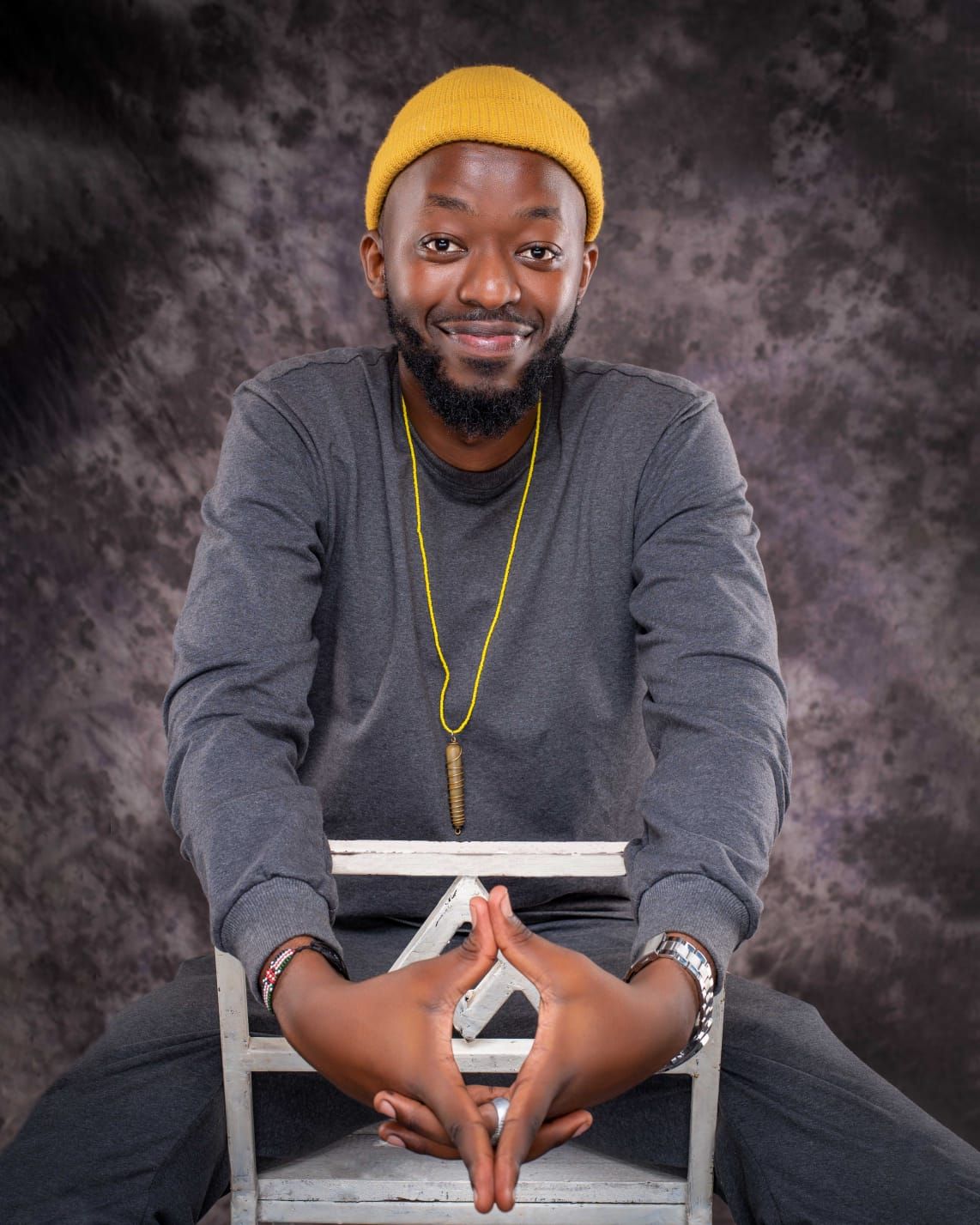
"I do a lot, I am just like water. Like Bruce Lee said"
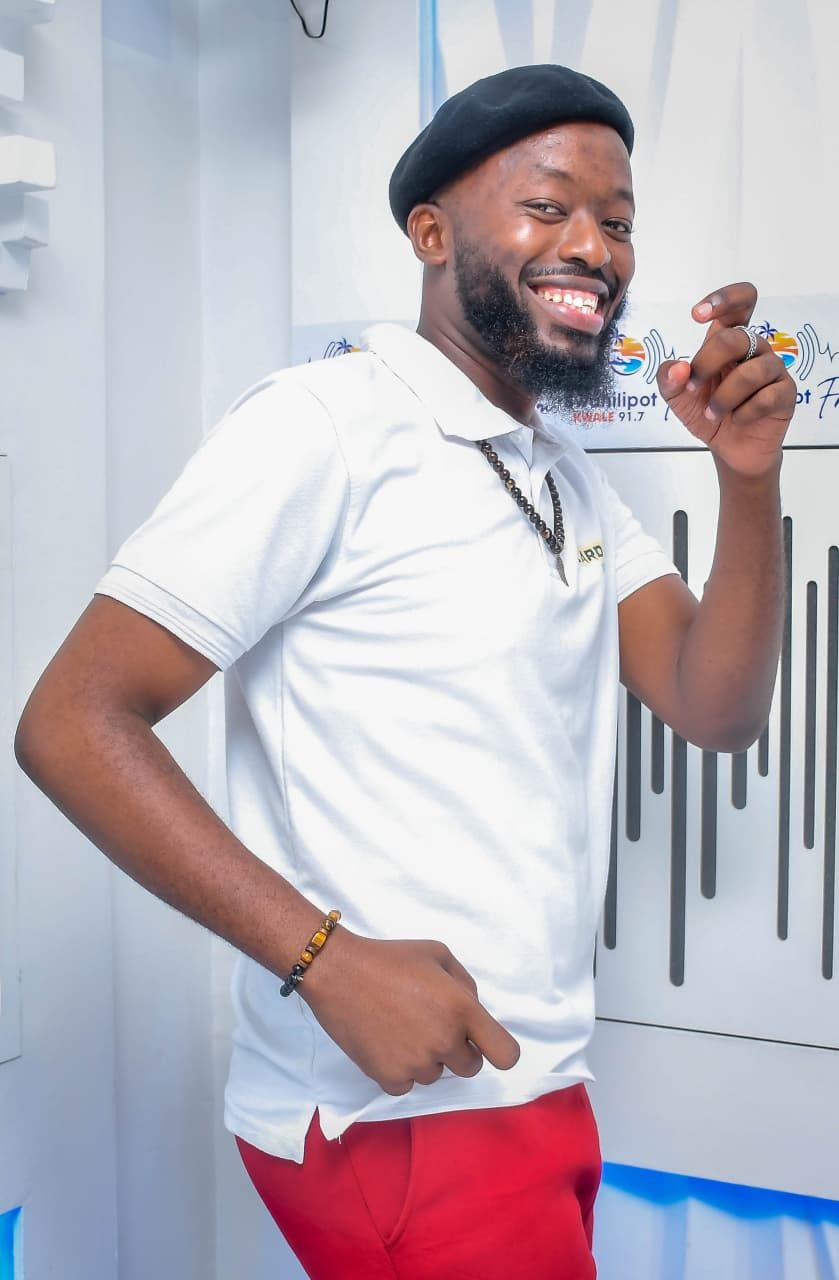
"Waguan, first and foremost what it do, what it does, it’s Cardiac Poet. When it comes to my artistry I wear many hats. I am a multifaceted creative with my first love being obviously spoken word poetry. I am a radio host, a super MC at that. The mandem is a musician. Yo, I do a lot. 'I am like water' just like Bruce Lee said.
My first love was obviously spoken word poetry. It dates back to high school. My English teacher - big up to him. He saw the talent way before I did. I remember when we were back in high school, I was really good at the language. So he was like, young man, you should join drama. And at the time I was in scouting - yeah your boy was a scout. But with time, this teacher eventually selected me as an assistant drama and music captain. So I had to join. And from there, everything just aligned.
Plus, I think my comprehension of language cuts across both English and Swahili. I've also had good teachers over the years. But also, think just my love for language in general, when it comes to Swahili, it has not always been Sanifu. So I guess it's the language that I pick up on the streets and being able to like join the pool, you know, you can have a word and then mix it up.
After high school, I came out to Mombasa and visited their little theater club. We had an open mic where I discovered my talent when I was looking at other pioneers in the game. It's been one hell of a journey, man. This year, we are turning 10. "
MK:" Wow, a decade in the game. When you started, did you ever think that you would make a career out of it?"
"Actually when I started it was just out of passion and I was doing it for the love of the art. Being able to make a living out of it over the years was not something that I had first envisioned. Then somewhere along the way I started earning and I was like, “Yo, they're paying me to do something I love. This is cool. This is dope"
MK “A lot of people struggle to actually make their art into a career, myself included. It takes so long. So how was that journey for you? How did it go from an informal hobby to becoming something that you can survive off of"
"So it means that whatever we are doing, it has monetary value, not just us having fun or sharing whatever we are feeling. So the first time like you receive, that token you're like “I want more”
"I believe there was some training along the way. It starts with the initial information that whatever you're doing can actually be morphed into a product or it's something that people actually pay for. That, is at times, knowledge that we don't have. So first the realization that whatever you're doing actually it's valued. It has more value than just you having fun is where it starts.
I remember like for my first show or like the first gig that paid me, there was this event called Pwani Got Talent. This was back in 2016. So we went, we auditioned, we had fun in the process, we were selected. So immediately after performing, we were given money to share among ourselves. So we were like, “Huh? We've had fun, we've expressed ourselves and we have been paid?” So it means that whatever we are doing, it has monetary value, not just us having fun or sharing whatever we are feeling. So the first time like you receive, that token you're like “I want more”
they say if you want to go fast go alone, if you want to go fAr, go together
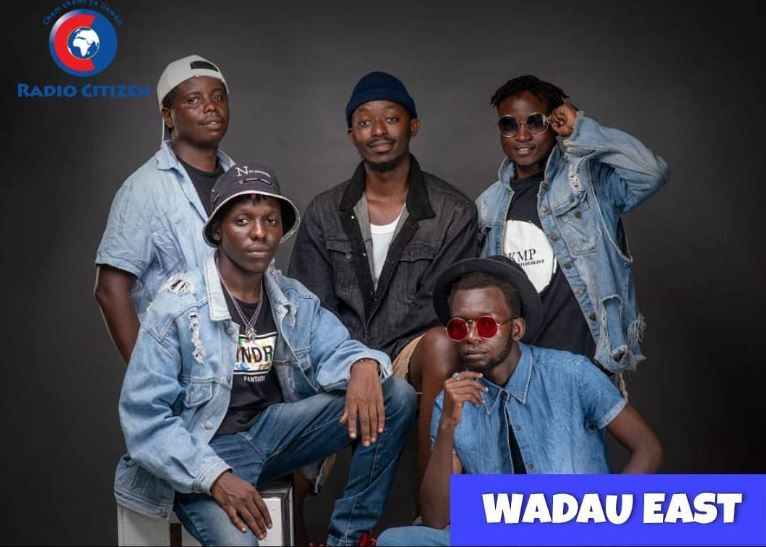
MK: And when you're talking about ‘we’, I'm gonna assume you're talking about you're - I didn't know how to identify it as like a collective or a band - but you're talking about Wadau East, right?
"Exactly, so like the first time we auditioned for that show, we were like individual poets. And then the art director at that time was organizing the event did not want to have so many similar artists and similar acts. So the madam said wanted us to come together and form one item as poets. So from there the ‘broettes’, as I normally call them, started moving as a collective. So that was like the birth of it.."
MK: You know, that's the same story that One Direction had. So in a lot of ways…you guys are one direction for African poetry, it's the same thing. How was that experience for you sort of like being in this collective group of spoken word poets and like coming up together? I mean, that must have been like such a unique experience.
"Every poet individually, they bring their own experiences, they have their own styles. Like yes, we are poets, but everyone has a different strong suit. Like for me, it was wordplay. We have some guys, like they use satire. We have other guys, like they can sing in between. Like everyone brings different elements of performances or whatever they're good at. So think of it like you're given a blank canvas and everyone comes as a different color that makes it brighter and more colourful. "
MK: “Of course you'd have a poetic way to explain that. But in other parts of your current career path you're also behind curating, speaking to, and meeting a lot of different artists. So do you feel like maybe that experience of having to come together as a collective has also affected your journey as an artist going forward? ?
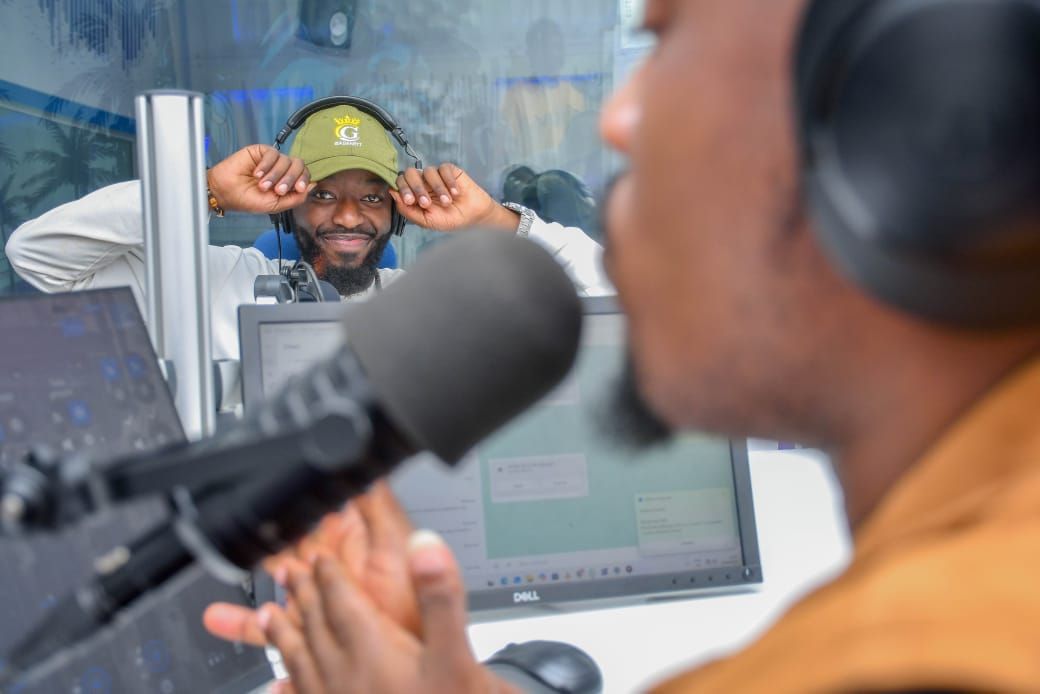
I believe it has, because the reason why I'm hosting the show that I am currently hosting Swahili Pot Fm can be dated back to whatever influence I've had over the years as a poet and being able to bring people together. So when that space was found, it was not even actually a matter of my papers and all that, but my track record. Like I've been able to set up shows. I've been able to work with so many creatives. So I've just been able to hold space on a grander scale.
MK: "I think that's interesting because I think collaboration is a huge point of contention within the- maybe it's just my perspective - but I feel like it's an interesting thing when it comes to the art space. I don't know if it's Africa in particular, but I think everybody kind of wants something out of it, you know? So how do you feel about how collaboration has changed throughout the decade of your career? "
"Yeah, so over the years, what I can say about collaboration, first I'll talk about the social media platforms. They've actually made it easier. Like we now have places where we can, you can literally collaborate. Like if it's Instagram, can cross post your people, get to see my stuff, my stuff gets shown to your people. YouTube has also adapted it recently. So like they've made it easier now to come on the ground, like the creatives themselves.
I'll say like initially when we were starting up, there are two different kinds of mindsets that have been able to pick up or deduce over the years. One will say, for instance, “I have suffered or like I've gone through a lot. So you also have to go through the same for you to appreciate how far you will go.” And then there's the other guys who will tell you “I have suffered for around 10 years to get to where I am. So if there is a way it can take you like two years or just a year to cover the same distance that I've been able to cover. Why not? Why not, man?”
So like over the years, collaboration has changed because you have different people with different mindsets. But up to date, there's still people who will tell you like, I've gone through a lot, so you must also suffer. So those are the guys you're trying to slowly weed out of the game. We're out here paving the way, being pioneers, best way we know how, making it easier for the guys who are coming on board. "
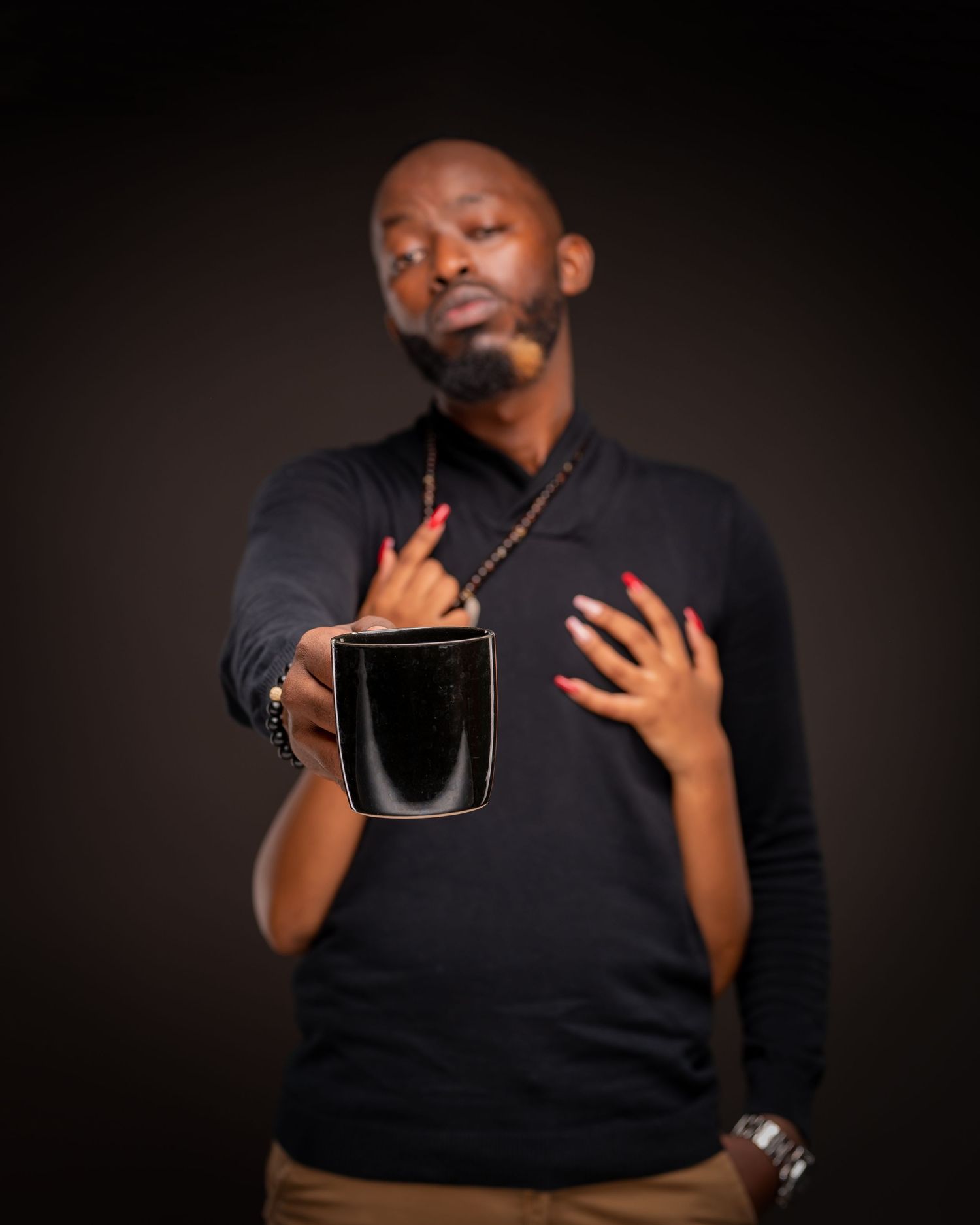
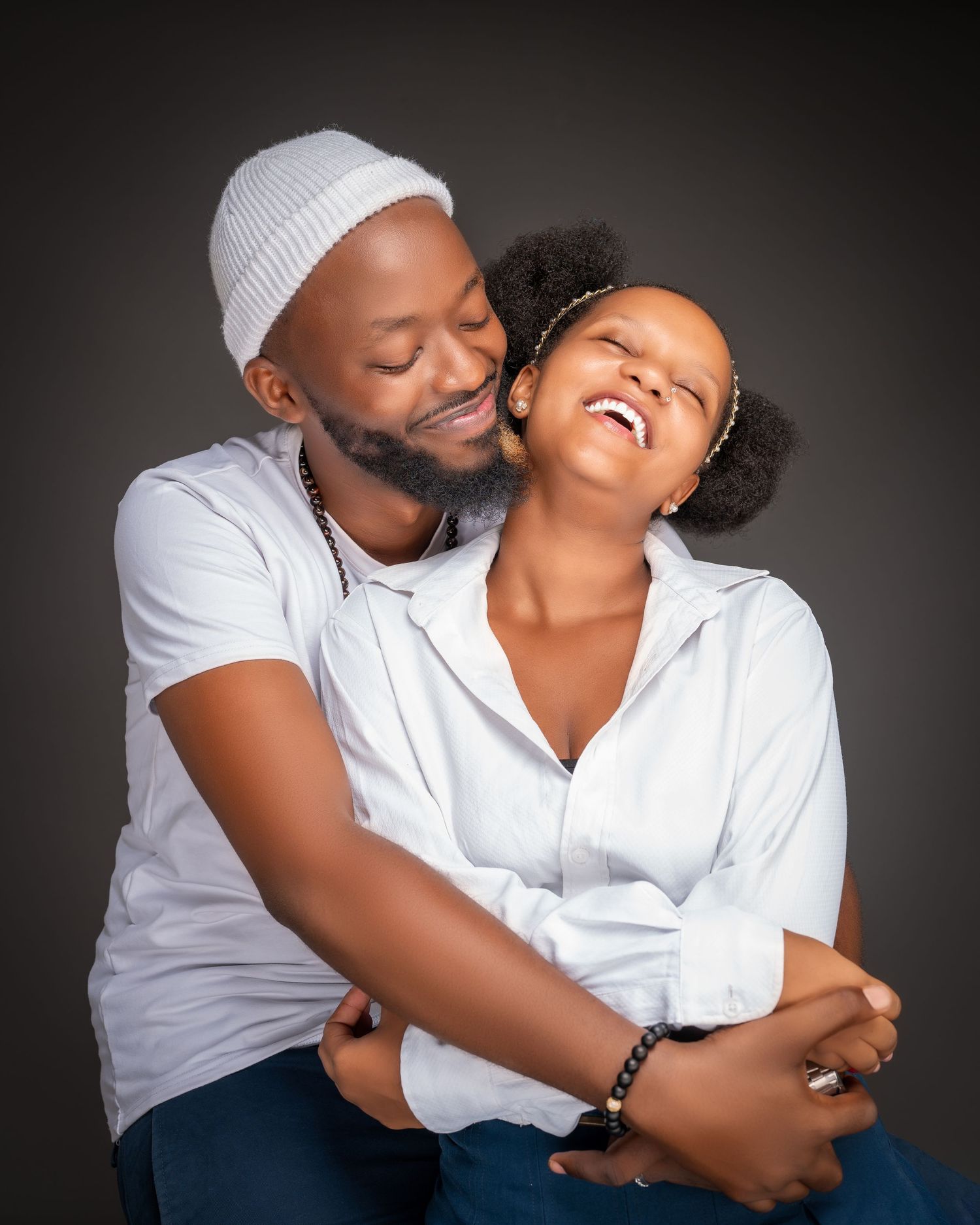
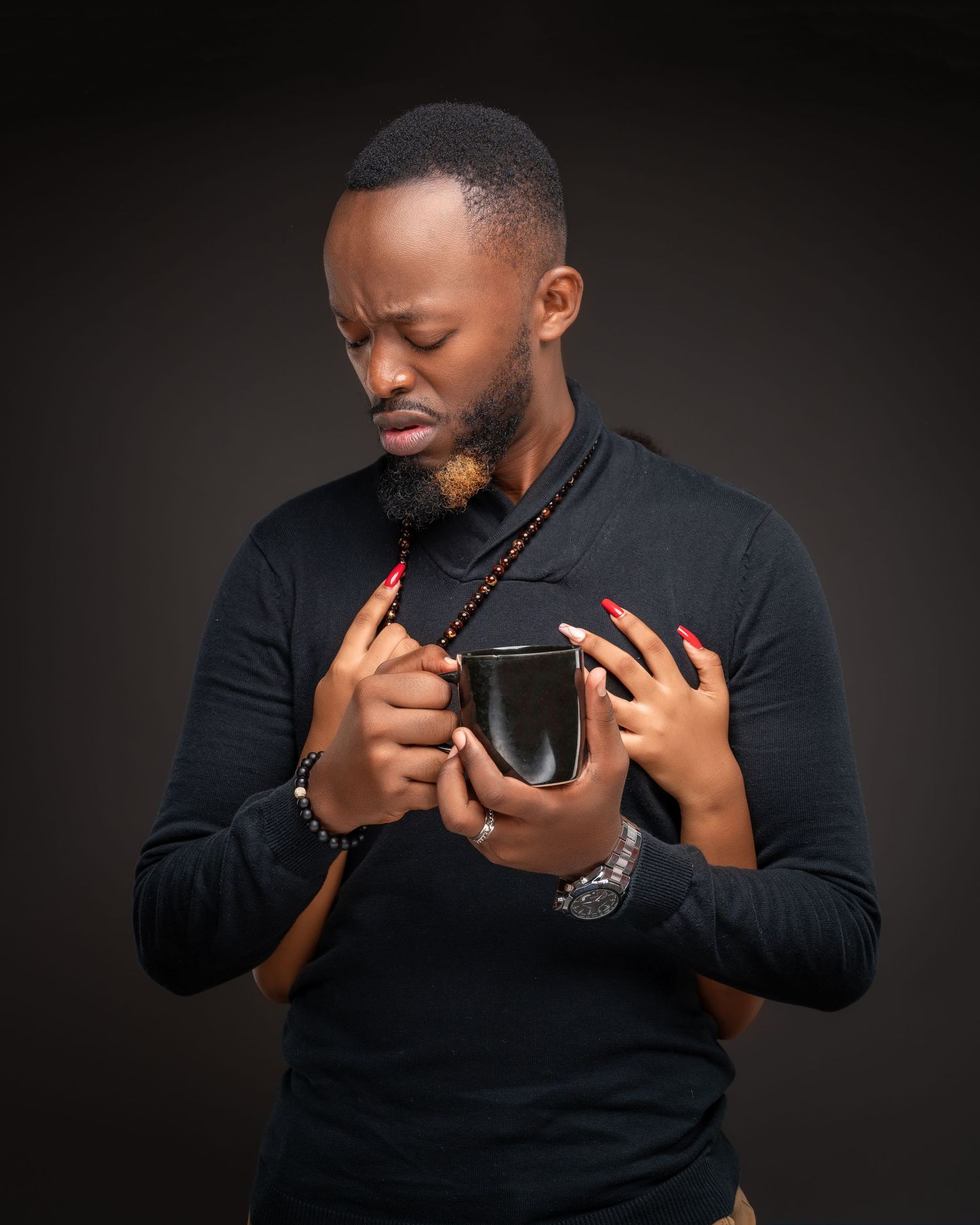
MK: And that leads me to your, I think it's the most recent EP of yours that came out, which was a collaborative piece, Coffee and Cuddles. How was that? How did that come about? How was the whole collaboration process when it came to that project?
Oh yeah, Coffee and Cuddles, it's layered. It's layered in so many ways. We have the show that we staged and has been nominated in the Kenya Theatre Awards.
MK: I saw that. I was going to mention that. Congratulations. Big ups to you. Which one came first?
"Thank you. So the show came first. There was a Poetry Theater Development Program hosted by the Kenya Cultural Center in Nairobi in December, 2023 that brought together different poets from different Kenyan counties. And then we were teamed up. We did some projects. And the moment we went back home to our counties, we were told to set up stage performances to show that we've been able to learn whatever we were being taught, matters of producing shows, marketing, writing and all that.
So when we got home back to Mombasa, together with my other poets, we sat down, came up with that concept for Coffee and Cuddles. You know, it was during the Valentine's because we staged it on the Valentine's of 2024. Damn, it's been...Time, time, time has really gone. Time has flown past.
So initially what you are going for, you know how when it's during the cold season, and let's say you have someone, you are booed up and it's called out, you will receive cuddles, but if you are single, you will just have to sip your coffee. So for the show we wanted to accommodate both those who are taken and those who are single. So we set it up. We had different performances. Those who are pro-love, those who are anti against it, man. It was crazy good.
Now that's the show. If we get to the EP, that's a whole other story, man. It was a slice of reality. A bit of my story. Like if you are to arrange the pieces. It tells a story from the intro. You know where the lady asked me like how I'm doing. And I'm like, “Huh? It's tough out here, man.” And then she asked me if she could get me some coffee. And I'm like, “Huh? Can that coffee come with some cuddles?”
And then the next piece, it further tells more about the story because after the intro it's normally Bestie. So this is where a close friend opens up to you and says. Like, I'm in love with you and whatnot, but you're like, “I can only be yours for the night” man. During the day, I will mind.
That's the third song. After that, it's a story, man. Like, all the pieces, they are joined. So from intro to Bestie to For the night. And then we have Zimwi. You know how people are hung up on their exes because of whatever they had between them. It's another song called Upo Wakati. Now, proper reminiscence of our people. Maybe we did not get their happy endings. And yeah, the final piece is Voices. It drew back to guys who are saying like, it's been a while since you released some pure poetry pieces. So voices was for them, And Bromance, my love for my G's, man. Those have been holding me down over the years. Yeah, and if you look at my demography, man, like more guys listen to my stuff compared to ladies. So the challenge is for you, Miss Kia, to get the ladies listening.
MK: Wow, I think the best work is when it's personal and it reflects things that we've experienced and everything. I'm curious as to how it was collaborating with someone in terms of recording? Because I think it created a really cool dynamic, like what you're talking about the back and forth, the question, the answer.
Yeah, yeah, the recording process was amazing. Shout out to my producer, Petrooz Chordman. We've had crazy chemistry from, from 2020. This is our sixth year recording together. It's been amazing. So for the collaborations, I'll have to big up first the lady, Wiwi, who is on the intro and also on the cover photo. Those are her hands. .
And then there's also a piece that I've done with Revolutionary Spitter that is on Zimwi. Together with the lady on the hook. She's called Karimi. Amazing vocals, amazing vocals. And then something that I normally take pride in is that most of the people that I have collaborated with it was actually their first time to get into studio like their first recordings ever yeah yeah so that was J.K Rhymes we had Pish Karry so now even when they go online they can tag their names feel good about it. Being able to write with other poets, understand your creativity, how we can blend it in, you know, how we can tell almost a similar story using your own styles, using my own elements. And then being able to bring that together for it to make sense. Just beautiful, man.
Mk: It really is. I know you've collaborated before, like even on your sort of old projects but it kind of brings me to wonder, like how is the Mombasa art scene?
"Big up to the Mombasa Coast scene, The whole music scene is actually booming right now. It was just a few weeks ago, we had two of our hip hop songs trending in the top 10 on YouTube for the first time in a long time. The wave is very much alive. People are putting in the work.
If I also talk about entertainment, it cuts across not just like YouTube. We now have regular shows. We have open mics. Like there's so many spaces that have been able to open up over the years compared to when I was starting up. I know, like when I was starting up, when we had like two spaces, now I can count at least five. And then we have different guys performing at the beach line. You have so many bands, you're spoiled for choice. At least every night there's something going down. You cannot get bored, man. You just pick your poison."
. MK: And do you feel like artists in Mombasa are also able to make a livelihood out of their artwork? Like most people, obviously like you're particularly talented and blessed in that sense. But other people, like they are, is this a regular thing? Is there like an ecosystem?
"Yeah, there is a whole ecosystem, but there's always room for improvement. As much as people are there, people are ready to consume it, I still feel more can be done. We can still look for ways of how people can appreciate it more. People can turn up in larger numbers. But compared to how we started off, we're on the right track. You're on the right channel, We are living in answered prayers. That I can say."
MK: It's so important to acknowledge the wins, you know what I mean? Because it's so easy to stay in the negative. But to be honest, I think all of us are in that place. Even the Dar es Salaam art scene, all the art scenes, we're getting there. There's still room to improve, but we're getting there.
Smoothly transitioning, I wanted to talk to you about a recent win that you had at the Blue Economy Summit. You won their spoken word competition. How was that whole experience? What was the specific spoken word?
"There's something beautiful about coming up with content that is either aligned with the SDGs or like having content that is timeless, you know, because with the same piece, I won not only the Blue Economy competition, we had another art company with the same competition on Blue Economy. Like it has been able to win a couple of awards along the way. Same piece. And this piece, it's not even that long. It's around one minute and some seconds where I voice, I voice the sea. I give the sea life. I communicate with the sea. Some beautiful stuff."
So initially in 2023, around October, then 2024. Or was it 2024, 2025? Between those two years. But it was back to back. So after winning it, I first performed it. And then the next summit, they called me back because of the work that I had done previously. And on both stages, I was able to bring on board other creatives who also had content on Blue Economy. So we were able to match that. The first time I went with a musician, the second time I went back with a rapper and both our pieces, they were able to, you know, do the thing. We performed in front of so many ambassadors, so many stakeholders in the Blue Economy. That was dope, man. Like, aye, aye. Giving a voice to the sea.
MK: Toast it, toast it, toast it. It brings me to ask, I guess, a question I've always wondered. I guess it's different for everything. But what inspires you to write? What catches your fancy?
Damn, ooh, that's a good question. So what makes me write? If I were to summarize it, I'd summarize it into two instances. There are times I write for you guys (the audience), and then there are times I write for myself. know? Like when I'm writing for you guys (the audience), it can either be a song or maybe something that I want to entertain you with. Or maybe it's a competition, you know, like the reasons will differ.
Other times, I'm just writing for myself. It's something I just need to get out of my system. I use it as an outlet. You know, I just need to get it out there like, that's how I scream. That's how I cry. That's how I laugh. You know, on days I just want to express myself. I know, like over the years it has been a way of how I communicate and how I breathe basically. That's my whole essence. I usually have a word for everything. So yeah,that's why I write.
MK: Because I'm sure obviously when you write about lived experiences, other people in your orbit are able to see your work and consume your work and see stuff. Has it ever come that somebody has read or heard one of your pieces and been like, is that about me?
"I remember there was this piece I wrote a while back after I had fallen out with one of my loved ones. It was called Memories. That was like my first heartbreak piece that I ever did. Now, when we got back together, I remember she played that piece for me like “Uh huh so what were you saying?” I played it. There were like so many subliminals that not other people could pick up, but she picked it up. You know, like there was this place, there's a place called Nairagie Ngare It's some place in Narok. Now that was a place like she used to stay. And then in one of the lines, I say “Thanks to you, Nimejua ni wapi nairgea” So somebody else would think that I have shrubbed ‘Naelekea’ like where I'm going to. But I was very intentional with it. Then she's like, “Ooh, you thought you were slick, huh?”"
MK: And what about your family and stuff? How have they reacted to your exploration of your art career, the way it's grown? Not a lot of African parents will approve of their child being a professional artist. So how was that?
"Shout out to my whole family man. I'd say the first time my dad took it seriously I think it was the day I bagged my first award and I got some screen time , the first time I was on TV. I remember it was on Valentine's of 2017 and I remember it was so big for him he informed his brothers he was like “My son is on TV, man, like, put that on, put on that TV.” Yeah, and also big up to my mom. Like initially she did not know what I was doing. She just used to call it like yapping or rambling and all that. But over the years, they've been able to understand what I do.
And also I think what gave me most morale recently, I think that was last year, one of my uncles was referring to one of my trophies, something that I'd won way back. And he was like “So I'm told you just performed a spoken word and you're able to receive this. Keep doing what you're doing, man. Keep doing you. Like eventually it will just blow up.” And I think that's the most love I've ever received from a family member. So it's been beautiful, man. Big up to them."
MK: I'm very happy to hear that they're super supportive. I think that's rare. But at the same time, it definitely takes time. Success helps, right? But it’s a double edged sword because I feel like when I started to make money from my artistry, like when I started to get paid by NGOs and companies to make films, I started to kind of not make films for no reason. Like it became very rare for me to just create for the sake of creating, which is usually how it starts. Like back in the day when you didn't know you can make money, you just make, make, make, make things, you do whatever you want. Is it ever like, damn, like now everything I have to get paid.
"Exactly. man, like you just took the words right out of my mouth. It has gotten to that point. Every time you mentally labor or you put in work from your art, you're like, it must have some financial return. So I just miss creating for fun, you know, kujibamba. So every time you put out your work, you're like, how can I capitalize on this? Man, it's crazy."
MK: And when is the last time that you created something for yourself?
"For myself? Wow, looking back, like at most of my pieces, they’re normally either dedicated to people or maybe experiences. I think I can claim some as my own. It's not all my creations that are for other people. But damn, hey, that's a challenge I'm taking up."
MK: I feel like as I'm asking you, I'm thinking the same thing. I'm like, but when is the last time I really purely created something just for me? No one even needs to see it just for me. Damn, it's been a while.
"Challenge cuts across both ways, man. We should take that up. We should take up that challenge."
MK: We really should. And now we kind of talked about a bit of your mindset and your ideology, I’d like to get back to your big projects like Local Man and Gentle Giant.
"The growth has been crazy. Like for instance, in Local Man, I was more of rapping and bringing people who could sing to come and sing those hooks. The same with Gentle Giant. But in Coffee and Cuddles or the other projects that came later, I was able to have more confidence and like singing my own hooks, delivering my own content. Plus the numbers, as well as the reach. I've been able to reach more people. I've been able to learn more on how I can push my craft. So it has been, each body has been a stepping stone to the other. "
MK: Nice. And what about on the back end? Have you grown in terms of your team?
"So there's a producer that I've retained over the years, but sometimes you need to be open-minded, experiment with your sound and experiment with how other people are also working. Sometimes you stay with good not knowing you can have better. So over the years, I've been able to work with several producers and not just one and I’ve been able to work with instrumentalists and different vocalists. So right now I'm in a position where, if I want a certain sound, I know the people I can work with, if I want to have a certain feel, I know the people I can collaborate with. Like if I was to connect all my bodies of work, it's easily more than 20 people. Easily more than."
MK: So what does the future look like for you?
"I feel I still have more bodies of work in me. And also, apart from, say, another album, I'll also love to go back to my roots. Like my native tribe, and like put out a whole body of work where I'm just going home, using my mother tongue so that I can also have some addition of sorts to my community. The community that I come from, the guys know us for two or three common songs. So I would love to add that kind of. And I’d like to continue mentoring poets, bringing on board more creatives and being able to organize sustainable shows that can be on repeat so that the guys who are coming after me, they can have it easier and they can easily turn their passion to bread, you know? "
MK: My last one is, can you share a goal that you want to achieve by the end of this year. And then you can hold each other accountable to see if we actually achieve the goal that we were setting forth.
"Okay, since I am turning 10, I have this show concept that I love to put up. That I would like to put up. It's called Mongo Wakikweli. You know, 10 years make up a decade and a decade in Swahili is called Mongo. So it has been a true decade. So there's a whole poetic musical thing on the title already. Mongo Wakikweli, like it's been a true decade. Yeah, so I'd love to stage that, man, celebrating 10 years in the game."
MK: Wow, that's beautiful. I think you'll do it. I'ma hold you to that, I'ma keep following up until you post about it.
"Thank you so much for this, it has also given me moments of reflection. I was like, “Yo, I never thought about that”