28th February 2026
Interview conducted by Miss Kia
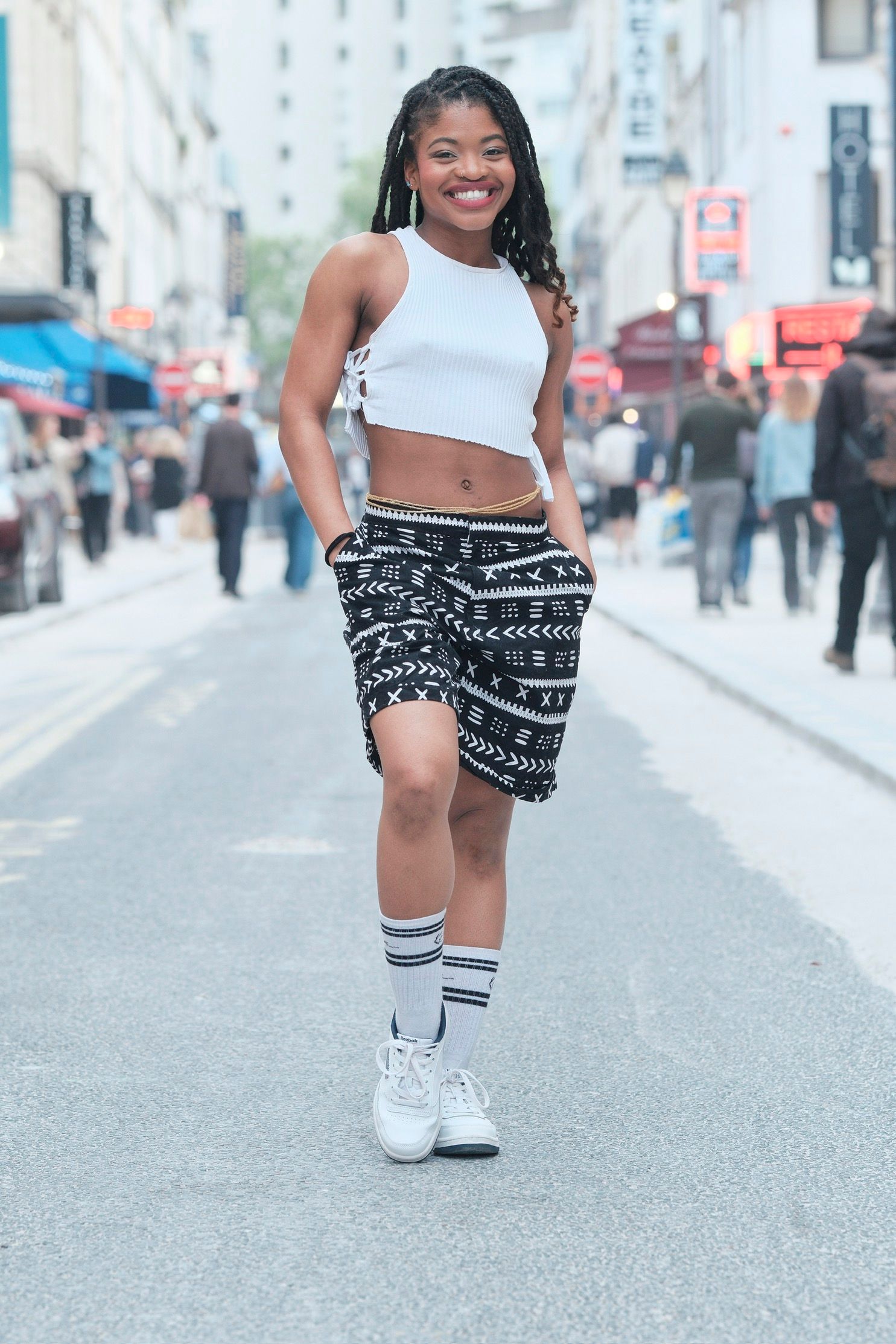
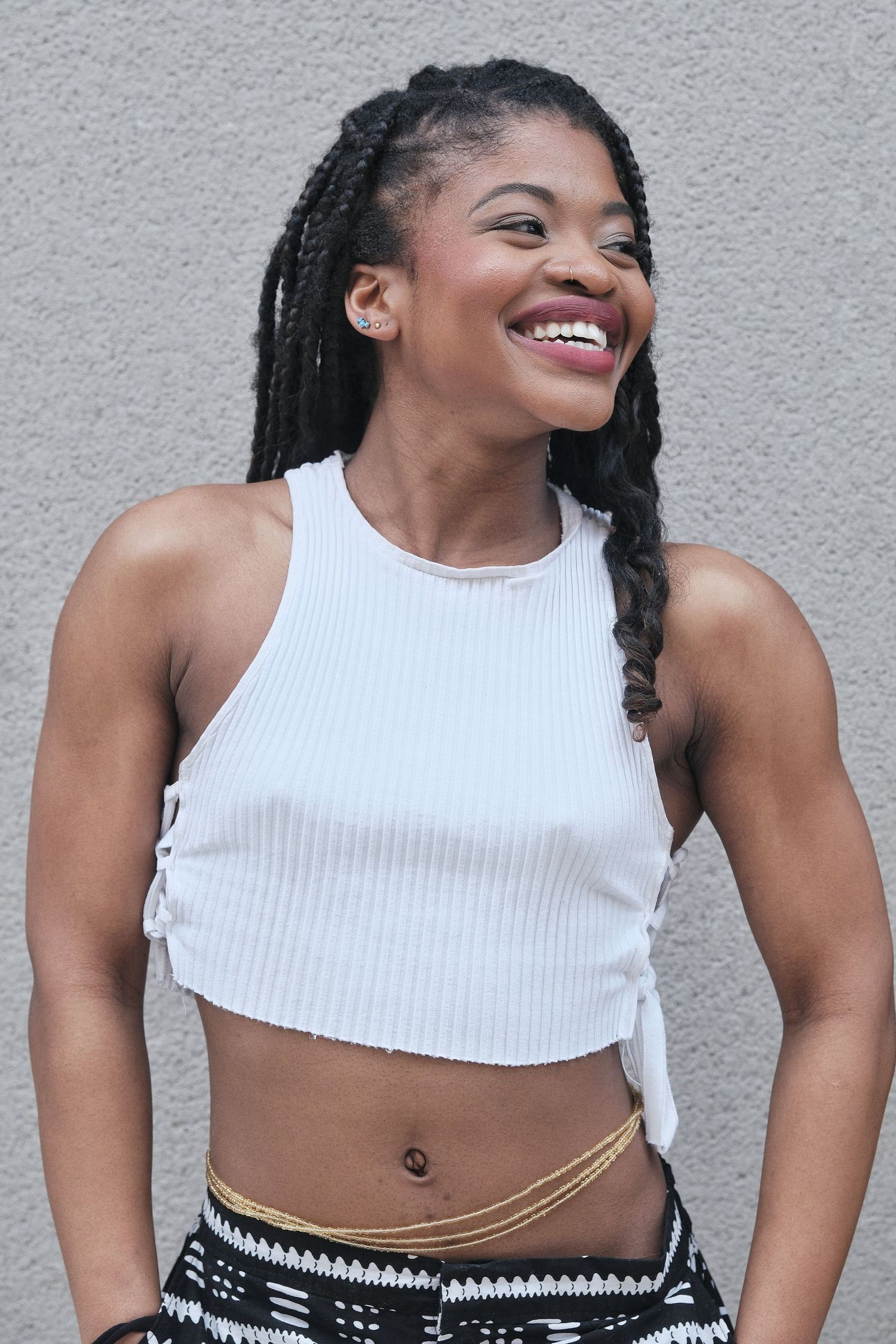
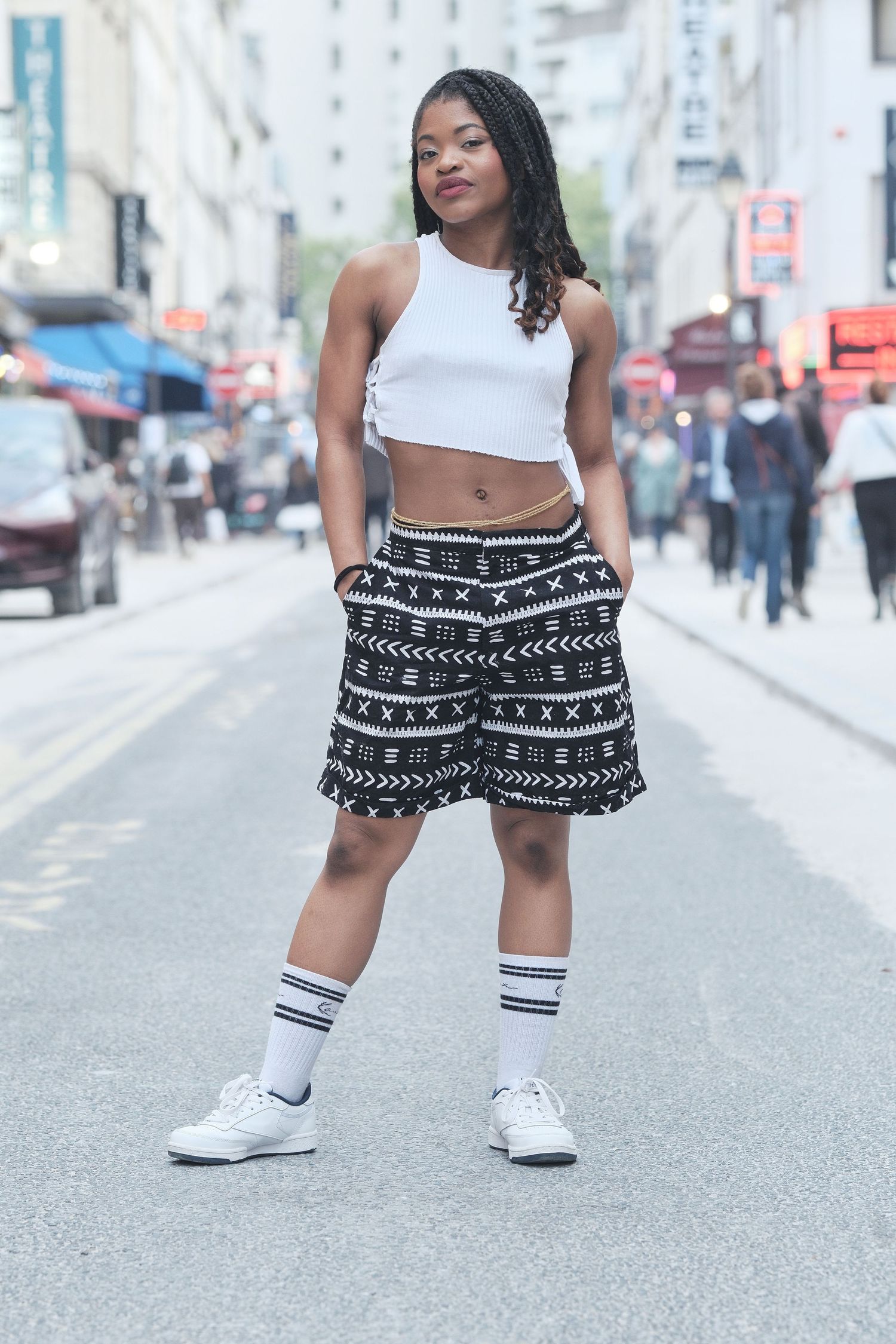
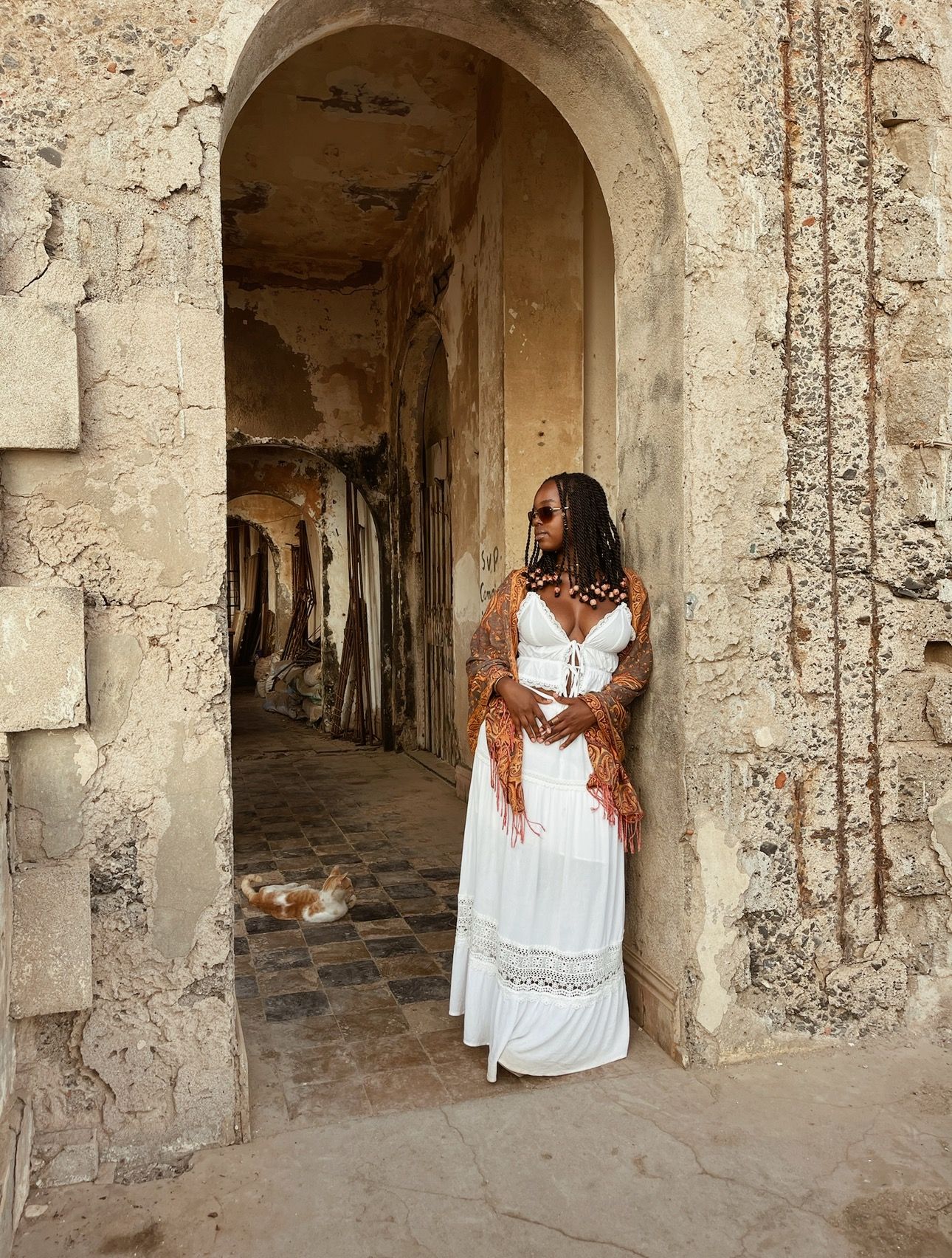
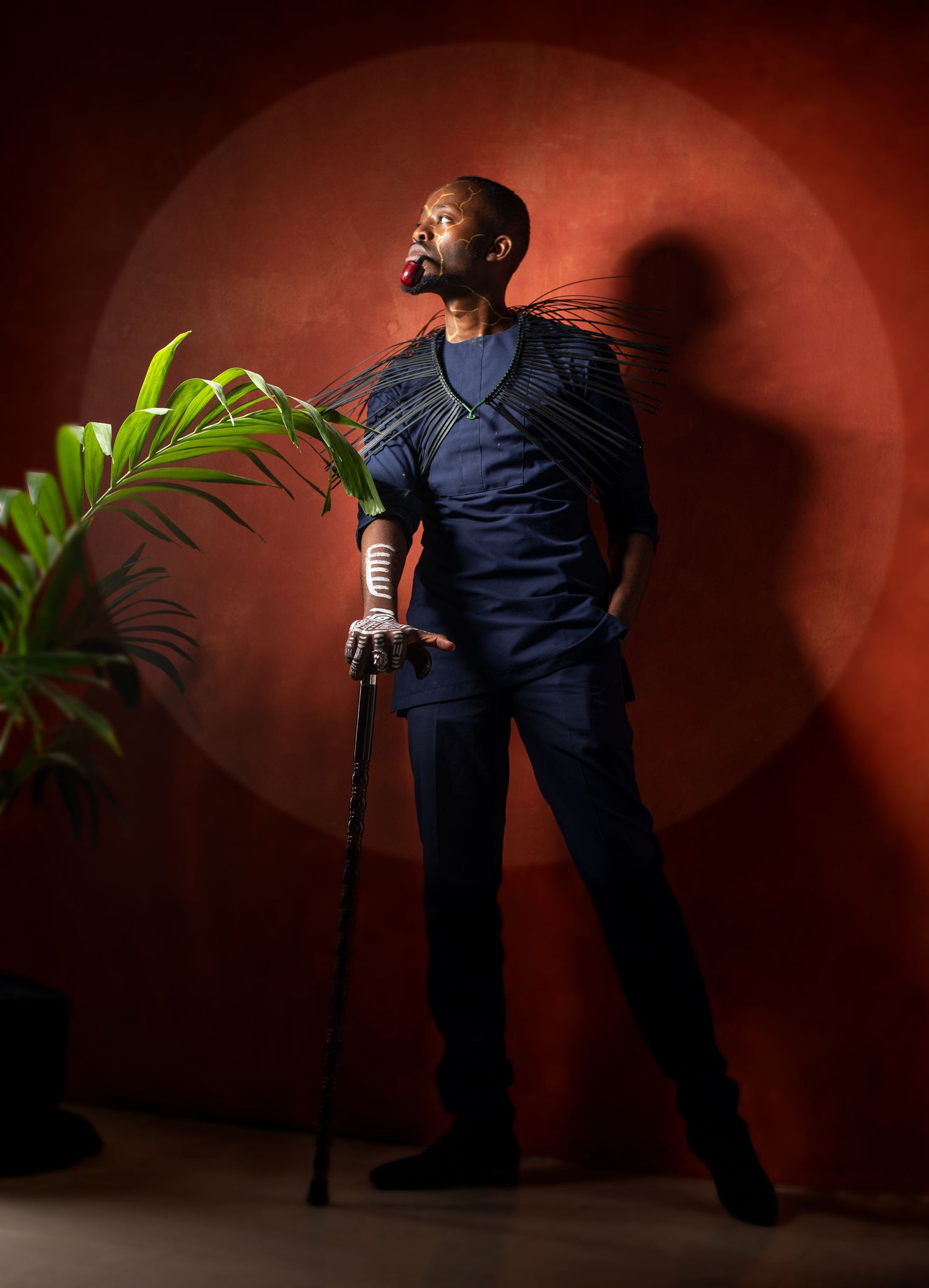
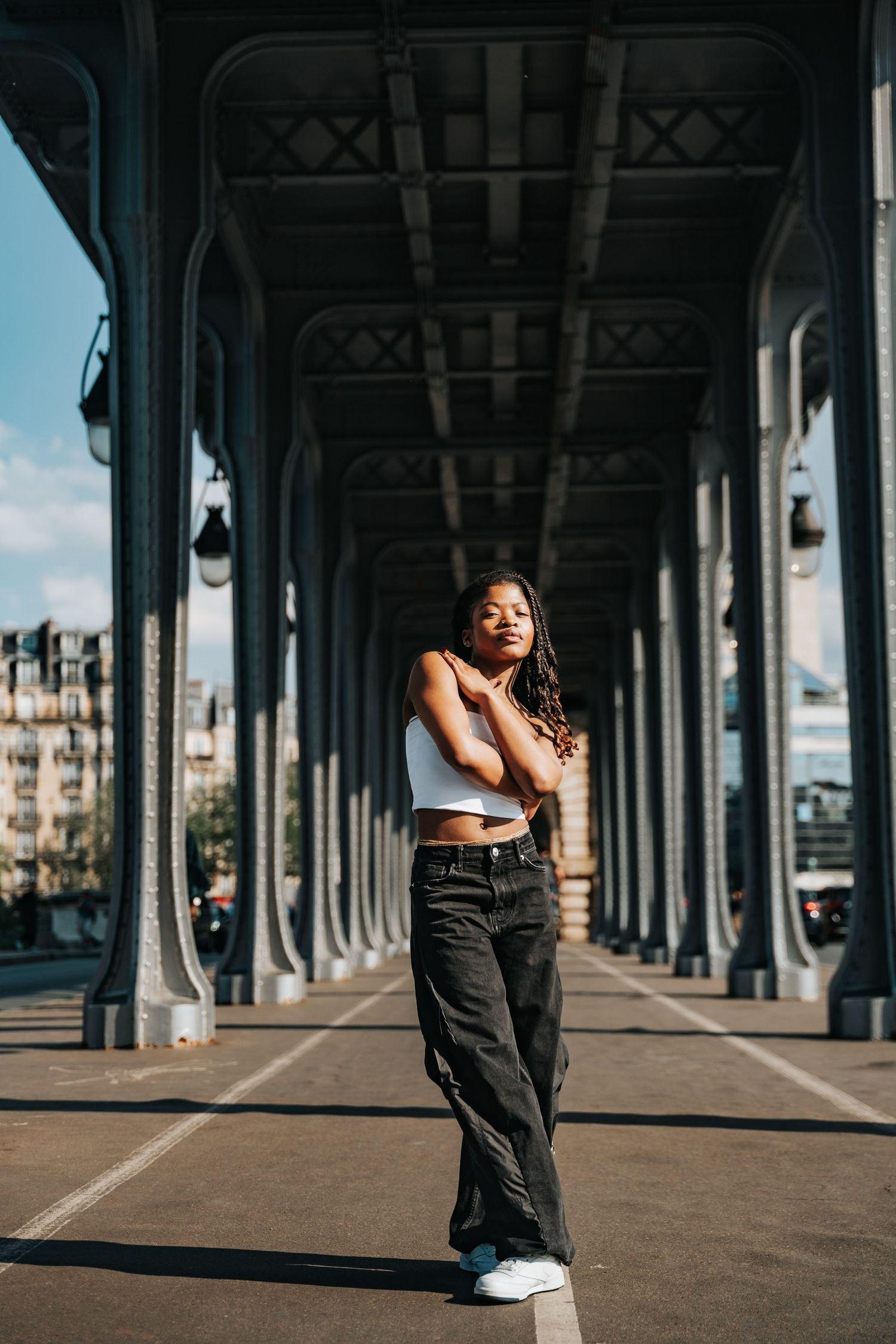
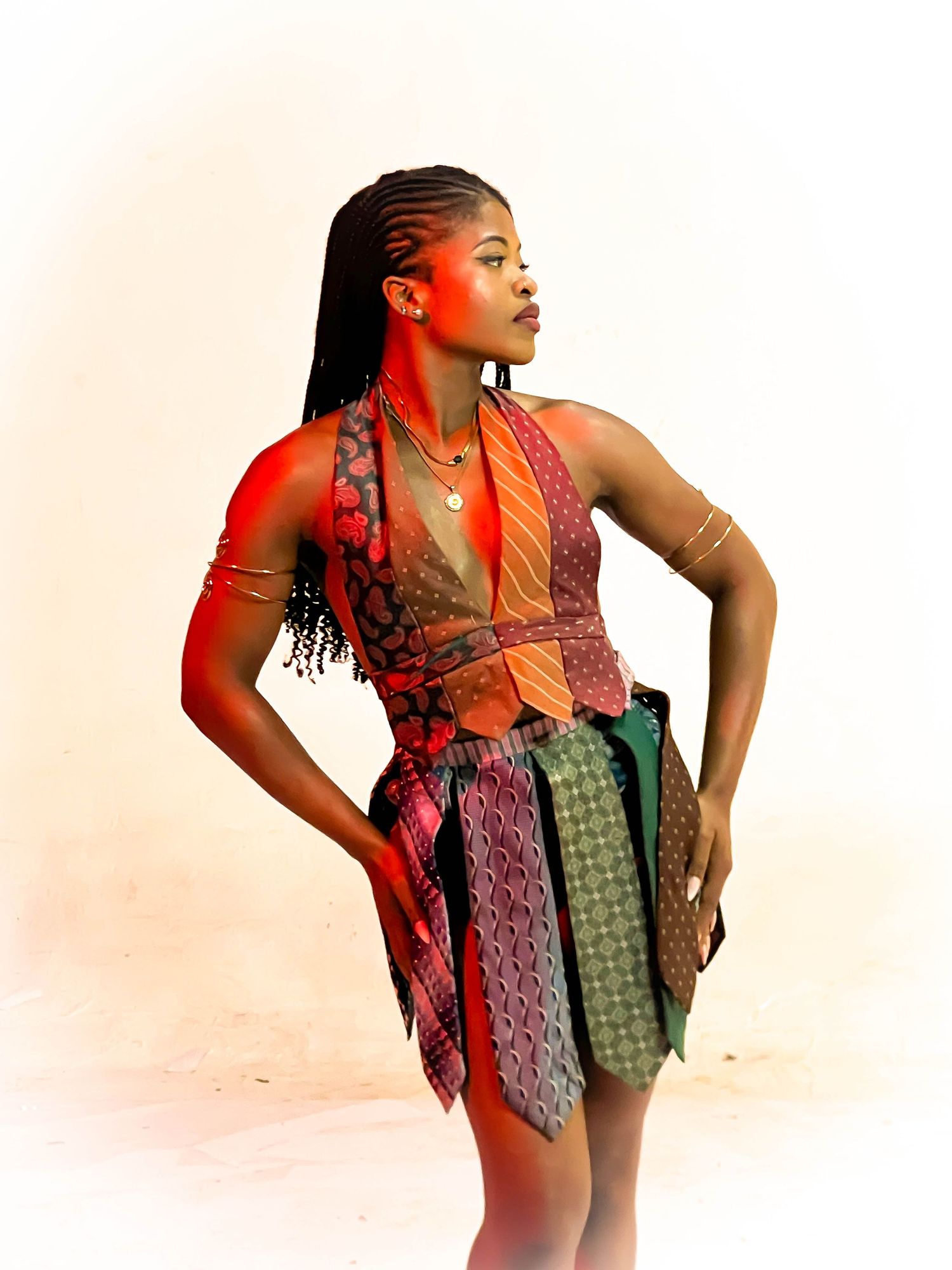
The streets of Paris are full of talent and rich culture from their cuisine to their art to their entertainment. In the center of it all is the multi-talented and highly appraised Mostwana dancer, choreographer and musician Remo. I was honored to sit down with her to delve into the harsh realities of living in Paris, pursuing art as a full time career, workplace discrimination and persevering despite it all.
I sat down with Remo, a real citizen of the world to get into the nitty gritty of the African experience in on of Europe's artistic epicenter.
"The first thing I would do when I hear music is just move my body and it never really occurred to me that I could do it professionally until I was in my late teens."
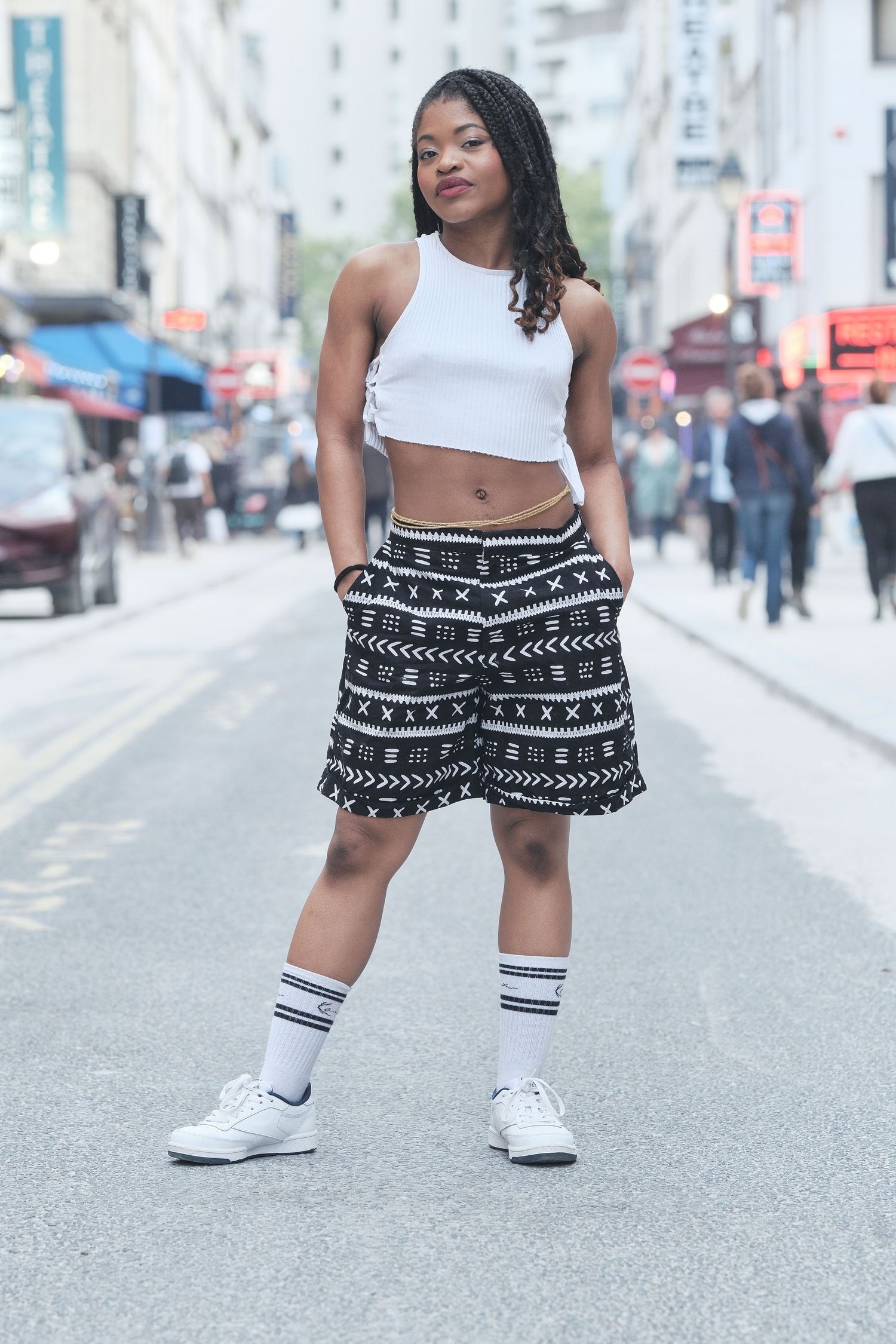
"So hello, how's it going everybody? My name is Remo, AKA Miss Cutie. I am a professional dancer and artist. I say artist because I don't just dance; I also choreograph, I teach, and I love acting. I am getting into singing slowly and steadily.
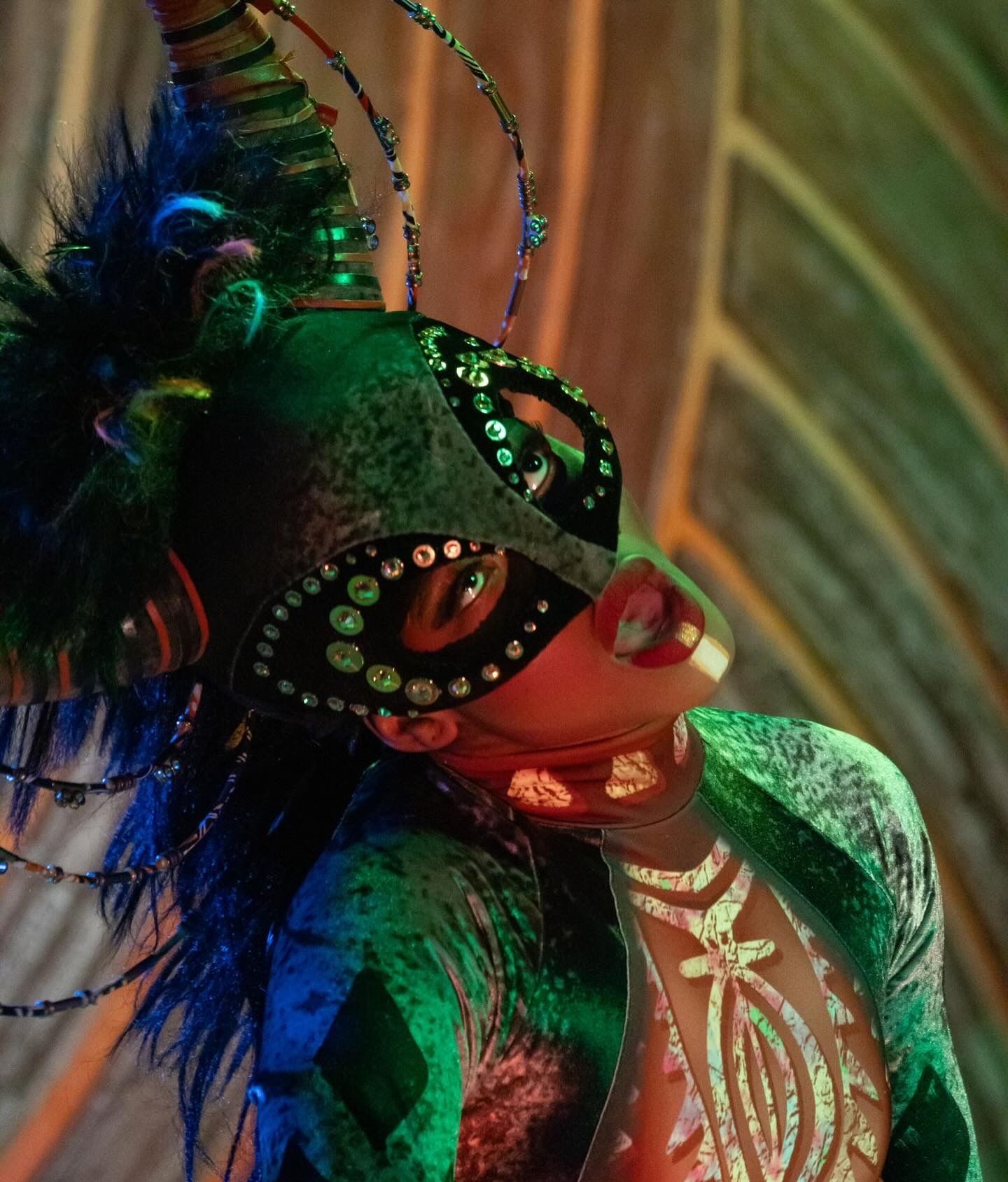
I just don't believe that I have any limitations as to what I can do. So, I don't necessarily like labeling myself under one term, especially knowing my personality and that my interests often change. Right now, I am currently living in the center of Paris, and I am part of a comedy and musical troupe, Black Legends, and we are going on tour soon, which I am super excited for. Apart from that, I have done some shows here and there and some short-term contracts, like The Lion King and Disneyland Paris. I have also done a few marketing events, stage events, and private events.
At the moment, I'm just growing slowly but steadily, trying not to panic as the world comes crashing down, but everything is going as it should for the moment. Yeah, I can't complain."nt I'm just growing slowly, but steadily trying not to panic as the world comes crashing down, but everything is, everything is going as it should for the moment. Yeah, I can't complain."
MK: I love that for you. feel like you have such a diverse career and you've been able to make something out of your passion. So I guess we can go back to the very beginning. Like where did it start for you when it comes to dance?
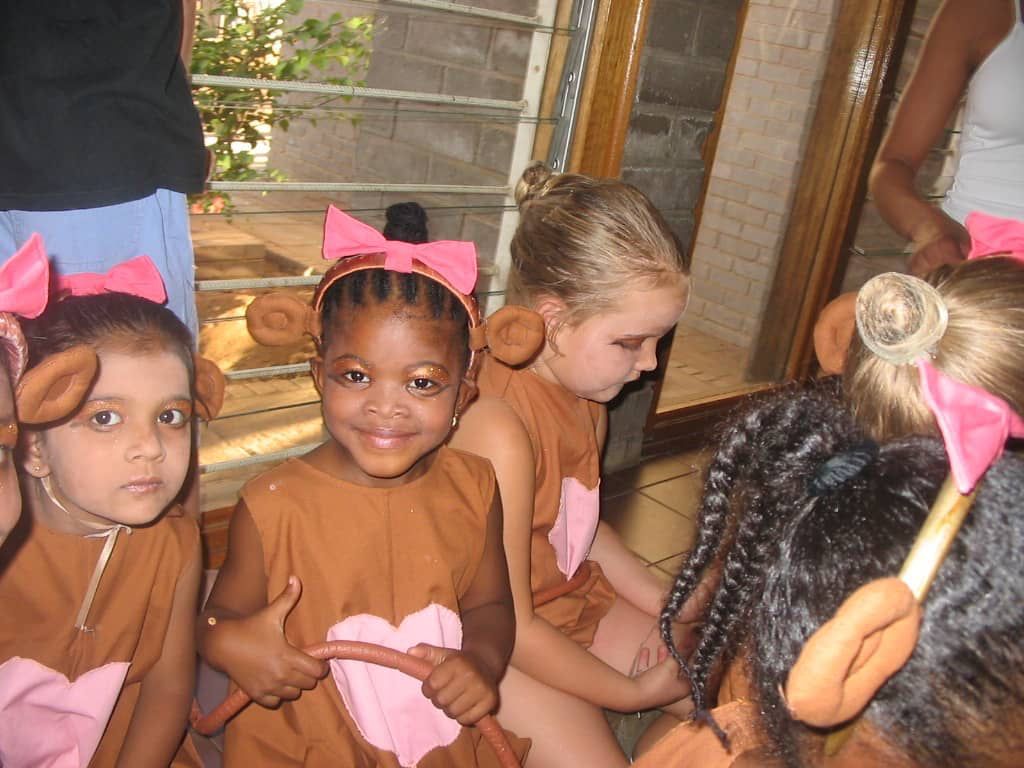
"For me, I think it just had to start at home, honestly. I remember when I was growing up, I would always be watching music videos on MTV. And whether it be Justin Timberlake, Ciara , Missy Elliot, Chris Brown at the time or even Michael Jackson- my mom had a lot of his albums.
The albums usually came with some DVDs and I would just be glued on my little TV in the room and just copy them and pretend I'm in the video because it was just so fun to me. The first thing I would do when I hear music is just move my body and it never really occurred to me that I could do it professionally until I was in my late teens."
"And the fact that I'm even able to live off of what I love and have a roof over my head, food in the fridge is a blessing because if you told me this is what I would be doing at the age of 13, I'd say you're crazy. I would say you're dreaming for real."
MK: It actually brings me to think about like, you know, your experience and how your training has evolved through time? Now, I know you have a BA in Commercial dance but from high school days to now how has it evolved for you?
"Wow, my high school days, that takes me back. I remember training on cement floors, no mirrors to follow the instructor, no equipment really, just the minimal resources we had. And that was just find a space and do whatever it is that you need to do. It also made me feel like what I was doing didn’t matter.
Where I came from, dance is not even being accommodated for at its core. Things like having a clean space available, always having a safe floor, always where you can do jumps and you can dance in your bare feet, you can roll on the floor. That was never something that occurred to people to the point where we would be doing performances in school and sometimes there wasn't even any carpet- just hard floor, but, I never really cared because that's all I knew.
As long as I got to do what I wanted to do, I was just happy . It took my mind off a lot of things. It took my mind off the grades I was supposed to make - apparently because I had to make sure I had a certain level if I wanted to get into a great university.
I will say that the environment was quite supportive though. I had a great teacher, my headmistress at the time, Alison Rogers. She was very supportive, helped me talk to my mom about even letting me apply to do dance professionally at a university level or we could say college level in whatever system it applies to."
MK: Yeah, shoutout to Alison. Absolute Legend
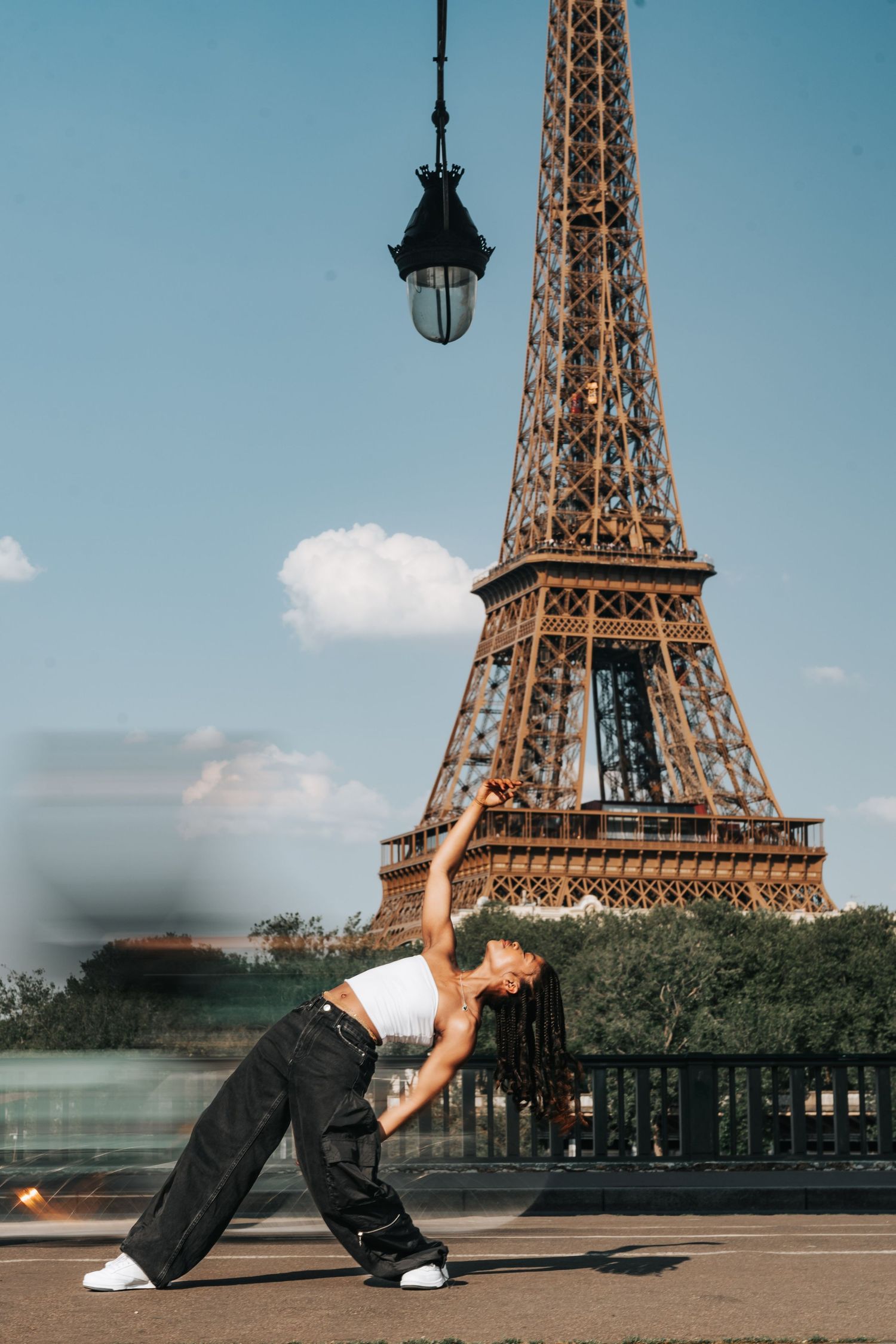
"And I'm also thankful that like my teacher at the time, Brian, he was also really patient with us and everything. But, I slowly came to understand that I couldn't compare the resources I had when I was in high school to what I saw when I moved to Spain to study commercial dance.
I got to learn what it looked like when dance was respected. Something that's actually considered an extracurricular activity is something that's considered an art form as little as it might be respected in the general global society, at least in this place for the first time I was like, 'Wow, these guys are taking this super seriously.' There's actual studios with rubber floors, there's mirrors, there's barres, there's a little sports center where you know you can refine your muscles, strengthen them, all this equipment to help with your mobility and just your body's health in general.
"Looking back, what we were doing was not normal. In the real world now I realize that compared to HIGH school - I don't dance every day. That's not a liberty that I have. I mean, I could just dance every day, but not in terms of my career or anything. "
If I'm dancing every day, it's just perhaps because I enjoy it or I want to do my own training while I'm working on a project or just doing it because it's my passion. And that's something that you don't realize when you're in school. There are some things that you see as a chore because they are tedious and just seem very repetitive that in the real world they just don't occur. Actually when I was dancing all those hours - dancing for eight hours by the way, every day, Monday to Friday - that’s just not something that occurs in the real world.
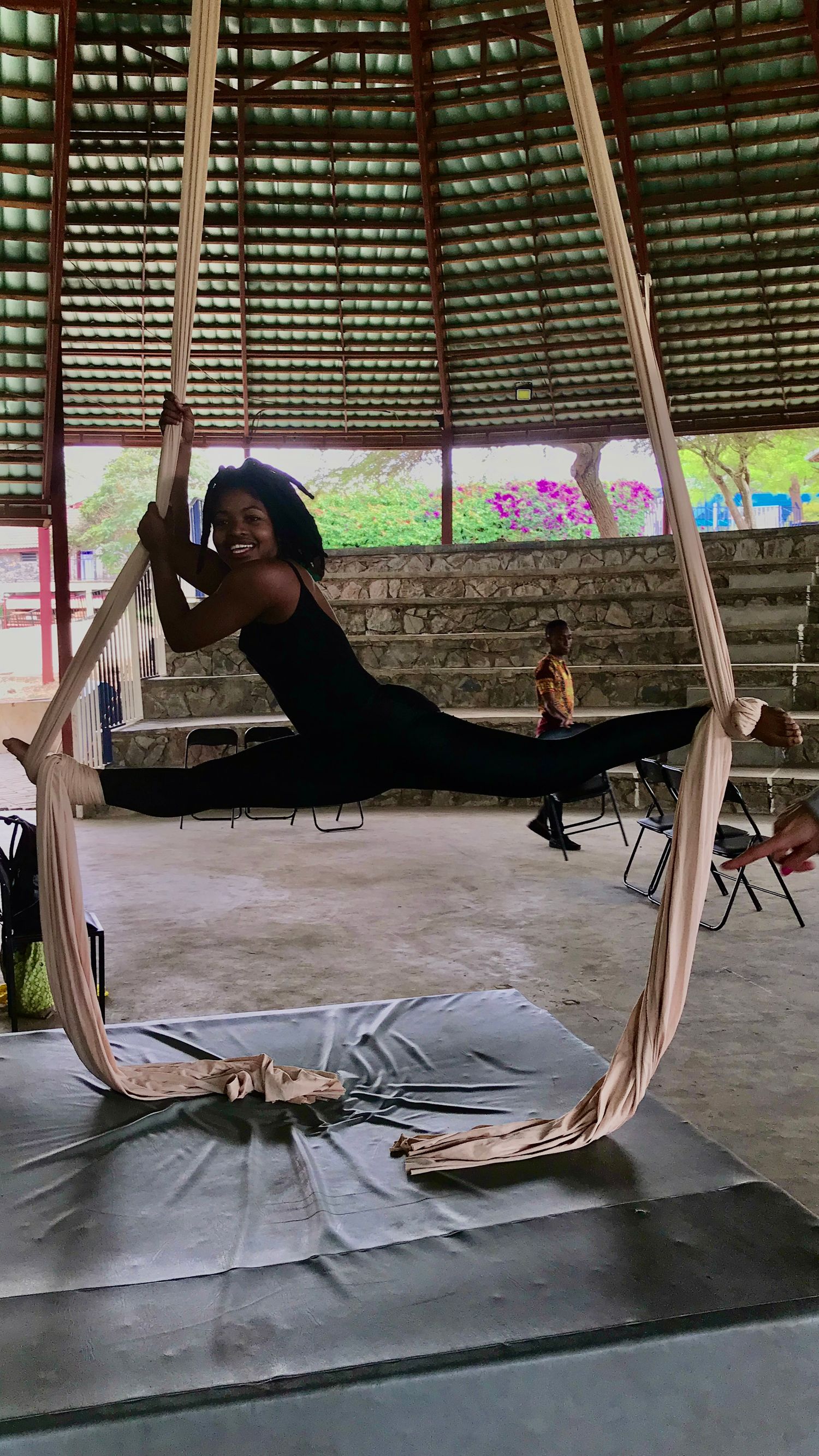
You have to go out of your way to find these classes. They're not given to you. When you're in an audition, no one's necessarily gonna give you tips or tell you “Okay, it's good that you danced this way, but maybe you need to work on this.” Nobody really cares in the real world.
The first thing they're gonna look at is whether you fit whatever profile that they want and if you don't, they just say no without even seeing what you can do. It can be that superficial. Sometimes it even comes down to your height. I've had instances where I went to an audition, I went all the way through and when it came to the selection, I wasn't selected just because I was short.
So that's also a tip though for any aspiring dancer. If you are ever going for an audition please look at the height requirements because you will save yourself a lot of pain and self doubt. And you might think the reason why you got through was not because of your talent but just because of who you are and unfortunately we just can't change that.
I will say one very important thing that this journey has been, is very humbling . I see throughout everything, ‘you're never gonna be alone’. You're always gonna be with a team. And so there's no time for divas. There's no time for attitude. Like you either prove it with your skills or you go home.
There are people who get picked for their personality over their skill as well, because the working environment is very important. And I think for any project, having bad energy means that the project is not going to move. And it's been very humbling because I've had the opportunity to do things I wouldn't have done if I was back home. I'm learning so much at such a fast pace and also trying to digest everything and reproduce it. It's taking more time than I thought it would. So it's also teaching me to have more patience and trust myself. I've been injured and had to be off for six weeks at most six months just so that I could be okay again, patience is key.
It's very hard and it takes a toll on your mental health as well as your physical, but that's where you get even stronger. So this art life really is not for the weak. Be you a painter, a singer, an artist, or a dancer, or a filmmaker. Everything is just patience and you're trusting in your gut. That's all.
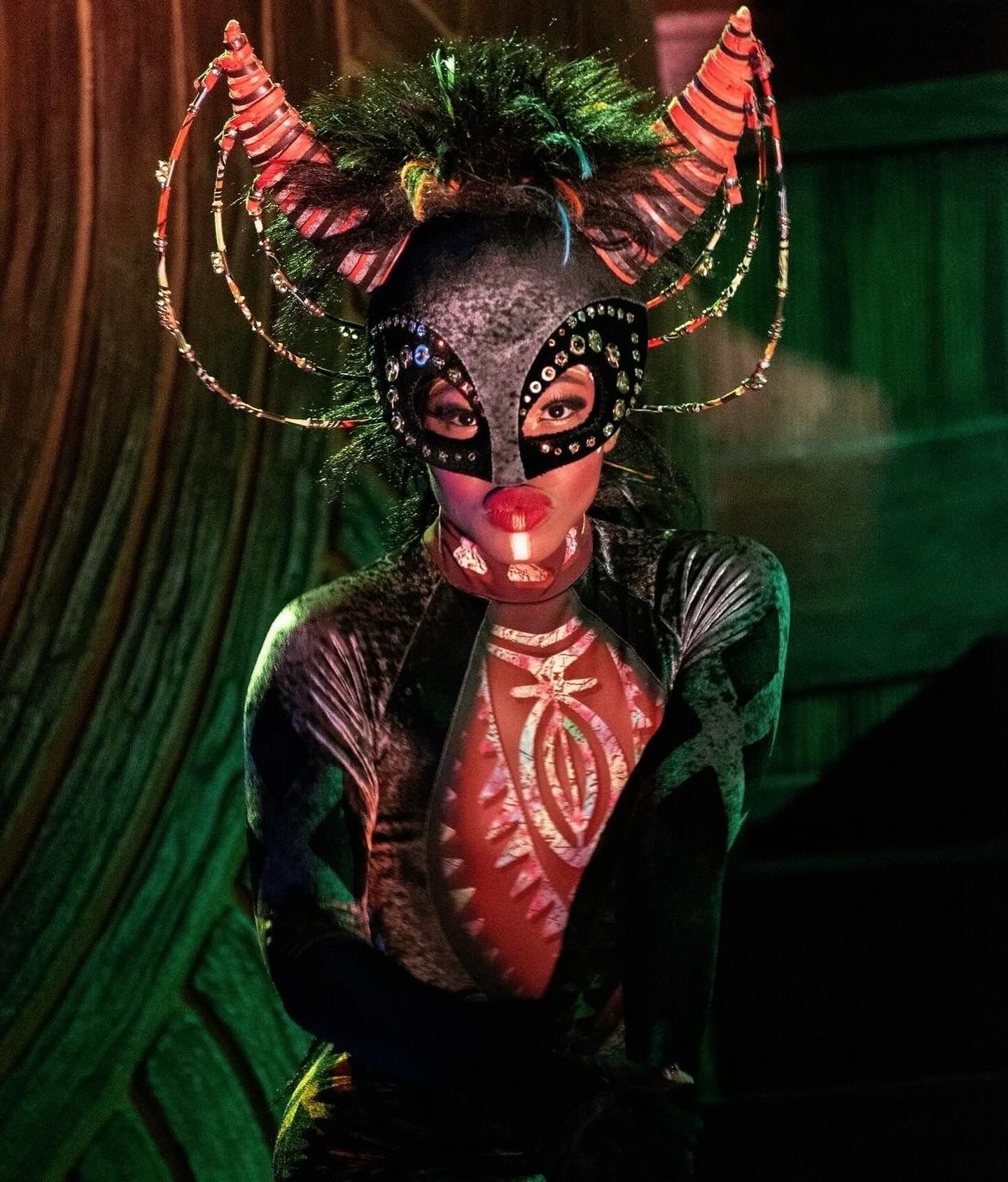
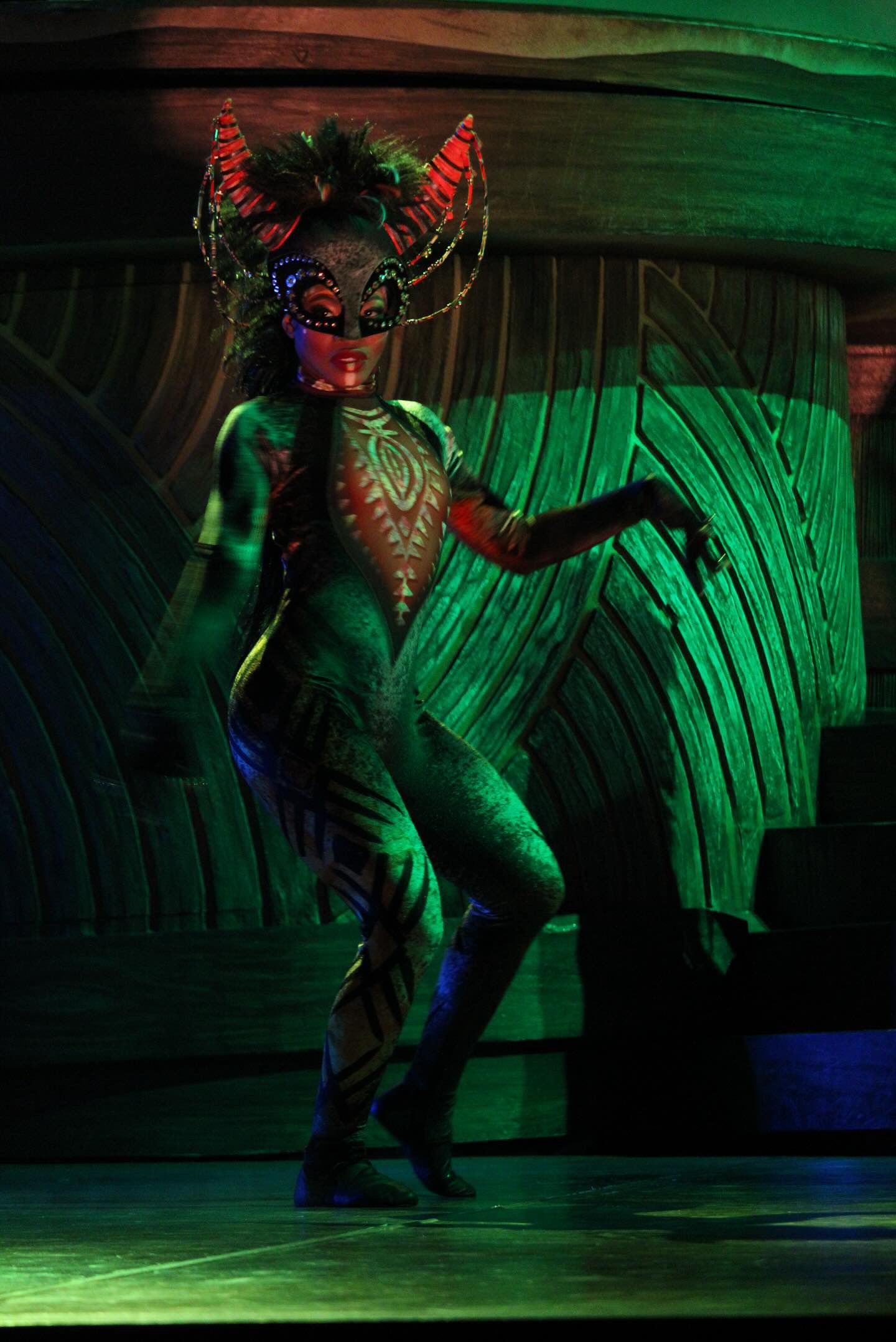
MK: I think you shed light on so many interesting topics there, like within that. But I guess the first one I want to touch on is The nitty gritty. So you move to Europe as a, you know, black, not only just black, you're not black American, you're not European and black, you're African. So how do you think that just you being you has affected your experience out there?
So me being me, let's just go back to one of my bases. So I grew up in three different countries, right? I was born in Botswana. I left when I was five with my mom. Then we went to the Gambia where I spent most of my childhood. I spent eight years there. And this is me coming into an environment where I don't know the language, I don't know the people, I don't know the food. And I just kind of have to abandon everything else that I know -not really abandon- but, put it to the side and start afresh from zero. When you're a child that can be a very intimidating place to be. The second time we moved countries, I was about to turn 15 and we moved to Tanzania and I lived there for about six years. And after that, I had moved out to Spain. So again, I find myself as a young teen in my adolescence just having to, again, start from zero, making friends, learning a new language, learning new food, learning new cultures, customs, and I really enjoyed it.
As difficult as it was, I really enjoyed it because my upbringing taught me how to abandon my ego for a moment, take in other people's experiences and their culture and kind of just adapt with that and move on my own and even learn languages. So when I was in Spain, obviously my biggest fear was going to be the language barrier because I had not known a single word of Spanish. The only thing I knew was French and my IGCSE level French wasn't even up to par. French is not Spanish. Let's just leave it there. So when I got to Barcelona, I was under the impression that, “Okay maybe these languages are similar.” So I'm trying to communicate in the little bit of French I can remember. And nobody understands a single word I'm saying. I'm like “Great”
I tried to speak in English, no one is even trying to understand what I am saying. Like no one is even making an attempt to be like, “You speak English?” Like they really don't care. If I don't understand you, that's my problem, basically. If they don't understand me, that's my problem, basically, because I'm the one who needs help, right?
So, that's one thing I found really crazy is that, wow, like, are we not global citizens?
MK: See thats the BISA in you talking
Haha, literally. I feel like the very least we can all do, especially if you are used to having people of different nationalities coming to you for service, is prepare. If you are a person who is going to explore another culture - going to a place where they maybe only speak Japanese, for example - you are going to have to teach yourself some vocabulary.
But when I got there, I just felt completely blind. So I had to suck it up and I had to learn Spanish from scratch. I am not saying there aren't people in Spain who speak English; there are.
But in the little town where I was staying as a student, getting around as a young person was hard. You know, you can be given a lot of grief just because you are young, and if you don't speak the language, it is even worse sometimes. So, I learned the language and I was able to get by. Being in a school where I was probably only the third Black girl across three whole groups was kind of crazy. I think at the time I could count only five Black people, both boys and girls, in the whole school as students. This was a school of maybe a couple hundred students, you know?
So, that was kind of crazy to me. I found myself in a position where, for the first time, I felt like a minority. I actually felt Black, you know? It was just evident to me that I was different. Growing up in Tanzania and the Gambia, I never felt that. So, it was very interesting."
But now, how I get around, I don't try to overthink it. I don't try to put myself in a box or feel like I’m in a situation where I'm gonna panic because I'm the only minority. I just kind of own it more.
Before it wasn't apparent to me that over here, my ethnicity matters.
It’s actually a huge stamp on my identity when I'm in Europe, because in Africa, it doesn't really matter. Like a person is a person, most of us are black, but here I'm first seen as a black girl rather than a person, you know? So that's one thing that kind of hit hard in just being in Europe.
The University did speak English and classes were taught in English. So it's not to say I didn't have any friends that I could hang out with, but it did limit the locals that I could meet and my potential to make friends in local communities. The more I stayed and really tried with the language, the more I engaged myself, then I could see people start opening up to me. But after that I did find my crowd though.
I think that's something I've learned in general with every country is that when you try to speak their language and you try to immerse yourself in their culture, they're more open and willing to help you than if you were just ignorant and saying, “I'm absolutely not speaking your language. You will help me in the language that I speak in.”
I think as far as the feeling black and different goes, I feel that as well being in Paris in some audition rooms. Not all, because I think France is very interesting because I am under the impression that there are just as many black people as there are white people. I don't know the statistics, so don't quote me. We can ask Google.
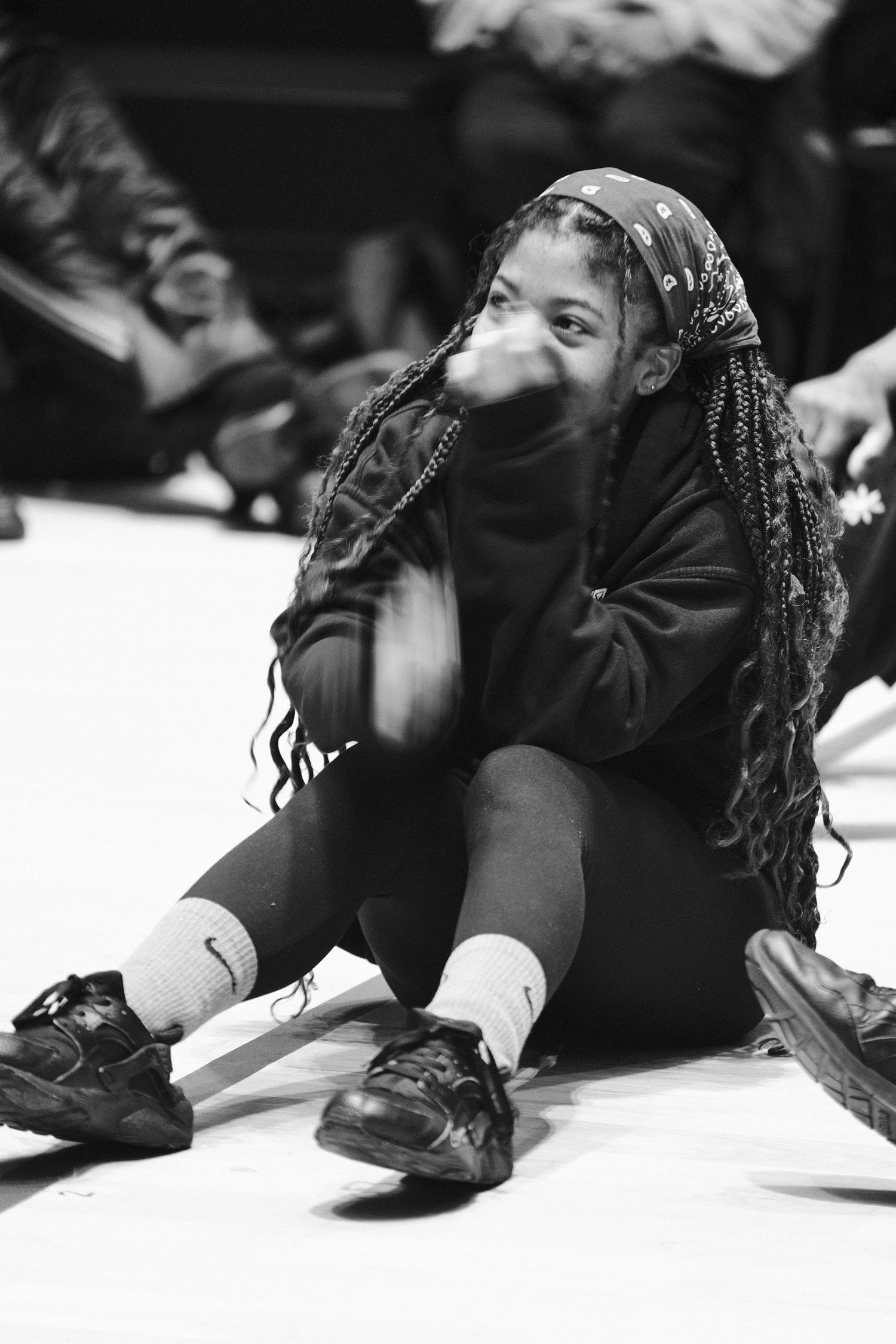
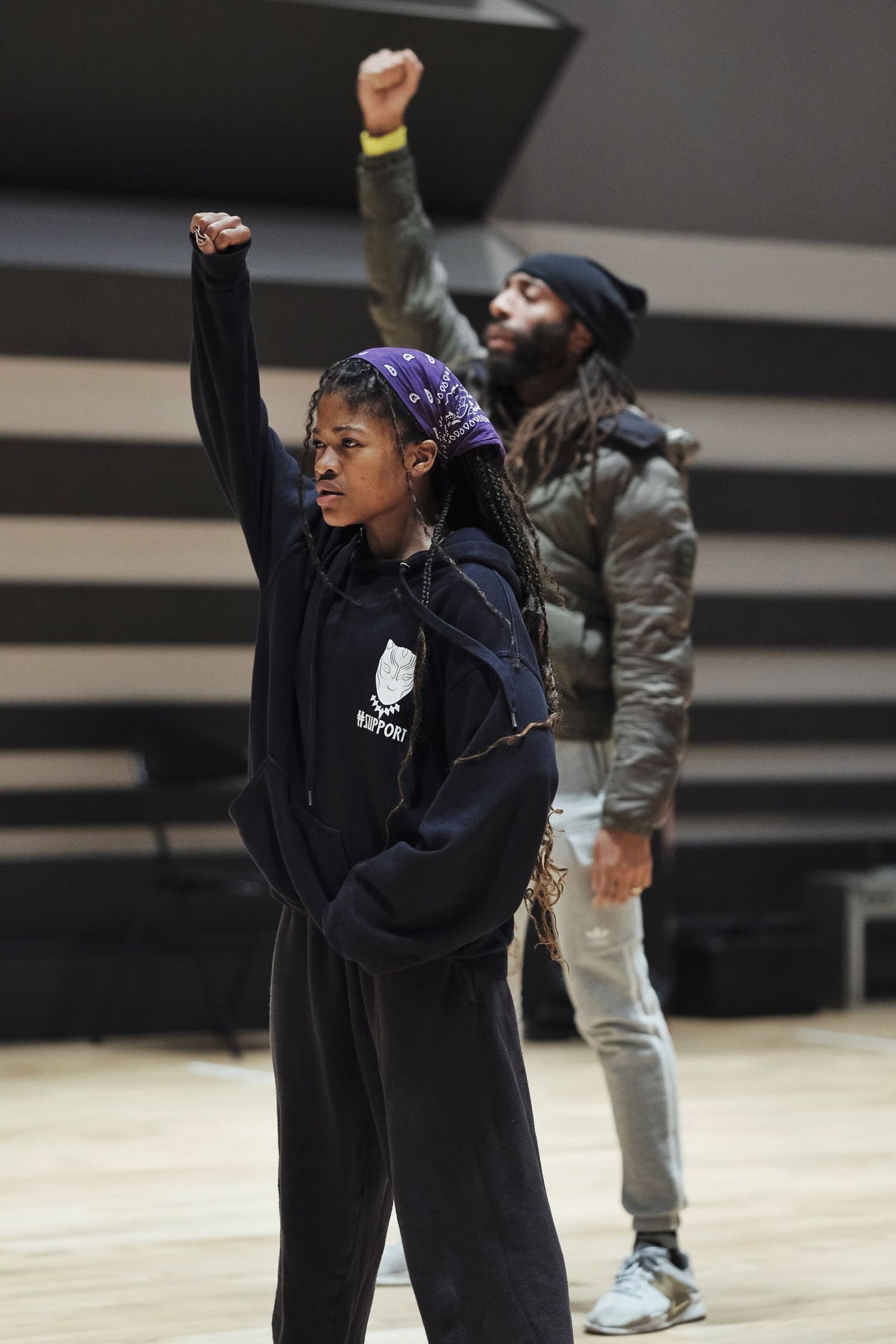
But, in general, I think it just depends on the space that you're in. I have experienced racism in the workplace though. And I don't think that something that I ever thought would happen in a place that, you know, my whole life I grew up learning is a first world country and is sophisticated and civilized and accommodating. So it was just very surprising for me to learn firsthand some of the things I just saw in movies and realizing they're just a real reflection of our real life in general. I think as long as you find your people, you'll always be good.
In the general scope of things, I think if you're pursuing a career in art, it's very important that you know yourself so that nobody else can shake you. Because once you know how to stand your ground and you know what you're gonna stand, stick up for, and you know what you're gonna tolerate and what you're not going to tolerate. And that's how you figure out your worth.
MK: That's true and that's very real and I think it kind of brought to my mind like the hair of it all. For me, I feel like that's such an undercover, like racially, you know, motivated to sort of microaggression and it shows up in art a lot more. What’s your experience with that?
Even when I do get the job, like, I had that experience with a place I was working at that had predominantly white people as my castmates. And which was funny because it was supposed to be a show about the African terrain…
MK: Talk about it
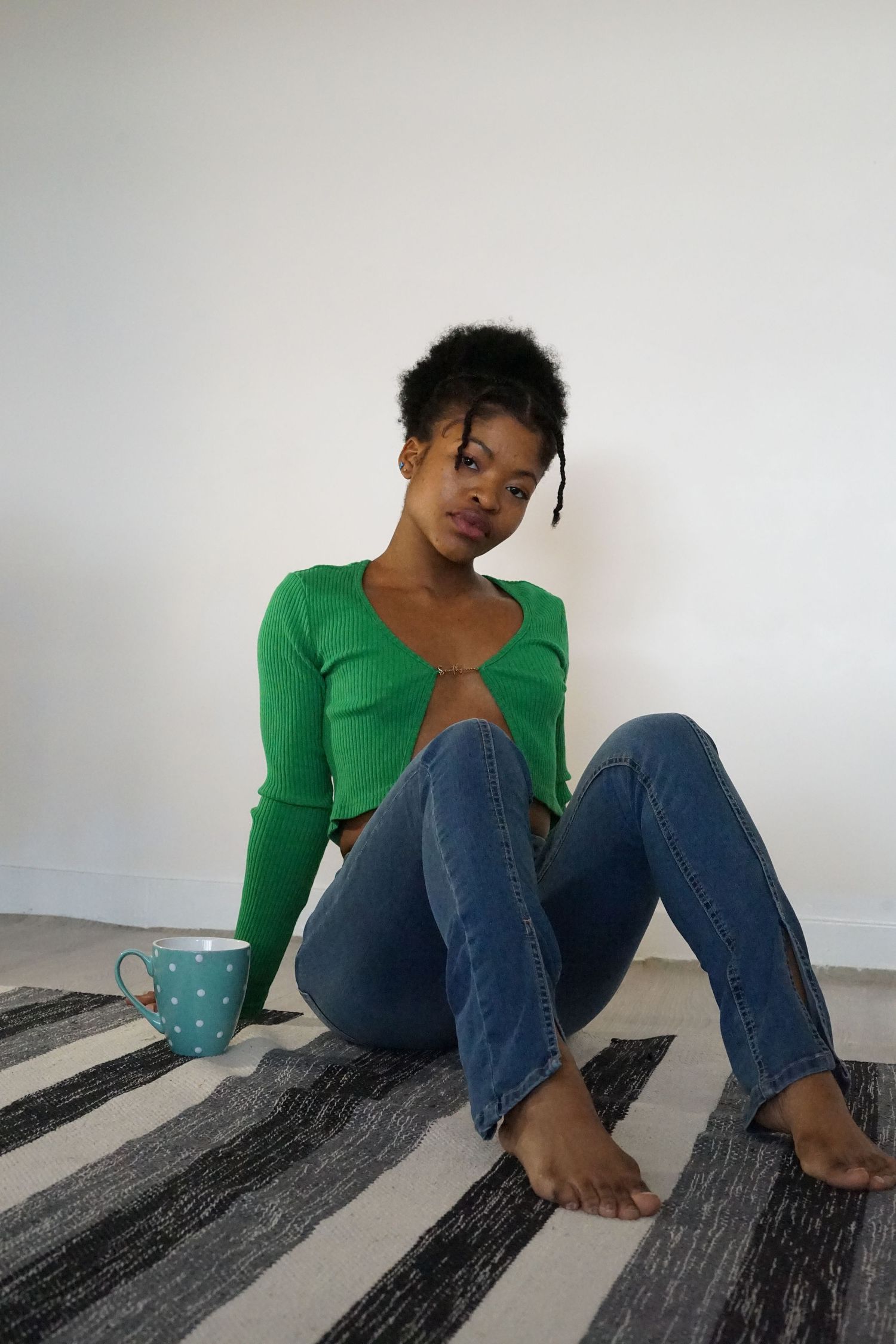
But it was just very interesting for me to see that even though I was in a show that was about African culture, about African people, somehow being one of the only Africans there, I was just given the most looks for some of the most minor may I say mistakes probably or misunderstandings from my part that I was involved in as an employee. And I found it very interesting to see that people who had even bigger complications than I did, but were white and native of the country were treated very differently. I didn't necessarily make a big case out of it because I knew exactly what the response was going to be, that I'm ‘overreaching’, that I'm just ‘looking at it like this’ and ‘it could ‘never be about race’. Deep down, you feel like if you are the minority, you know exactly what an aggression looks like.
MK: Mmh Hmm
Sometimes it's not about asking for clarification. Like it's just about how you feel, you know? And like anyone else in your ethnic group could definitely look at that situation and say, ‘Yeah, I get it’ because we're way too familiar with it. And that's the sad part.
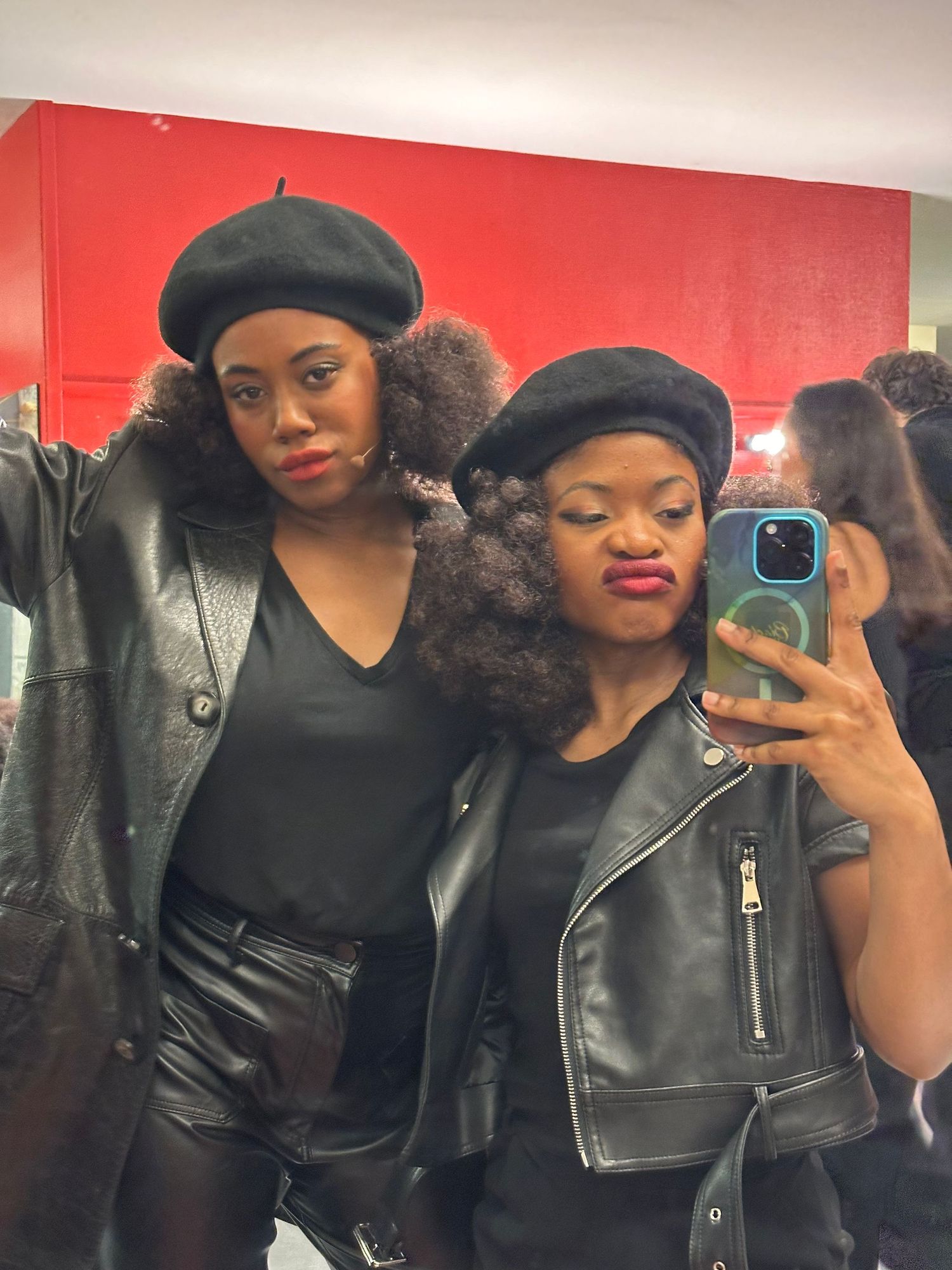
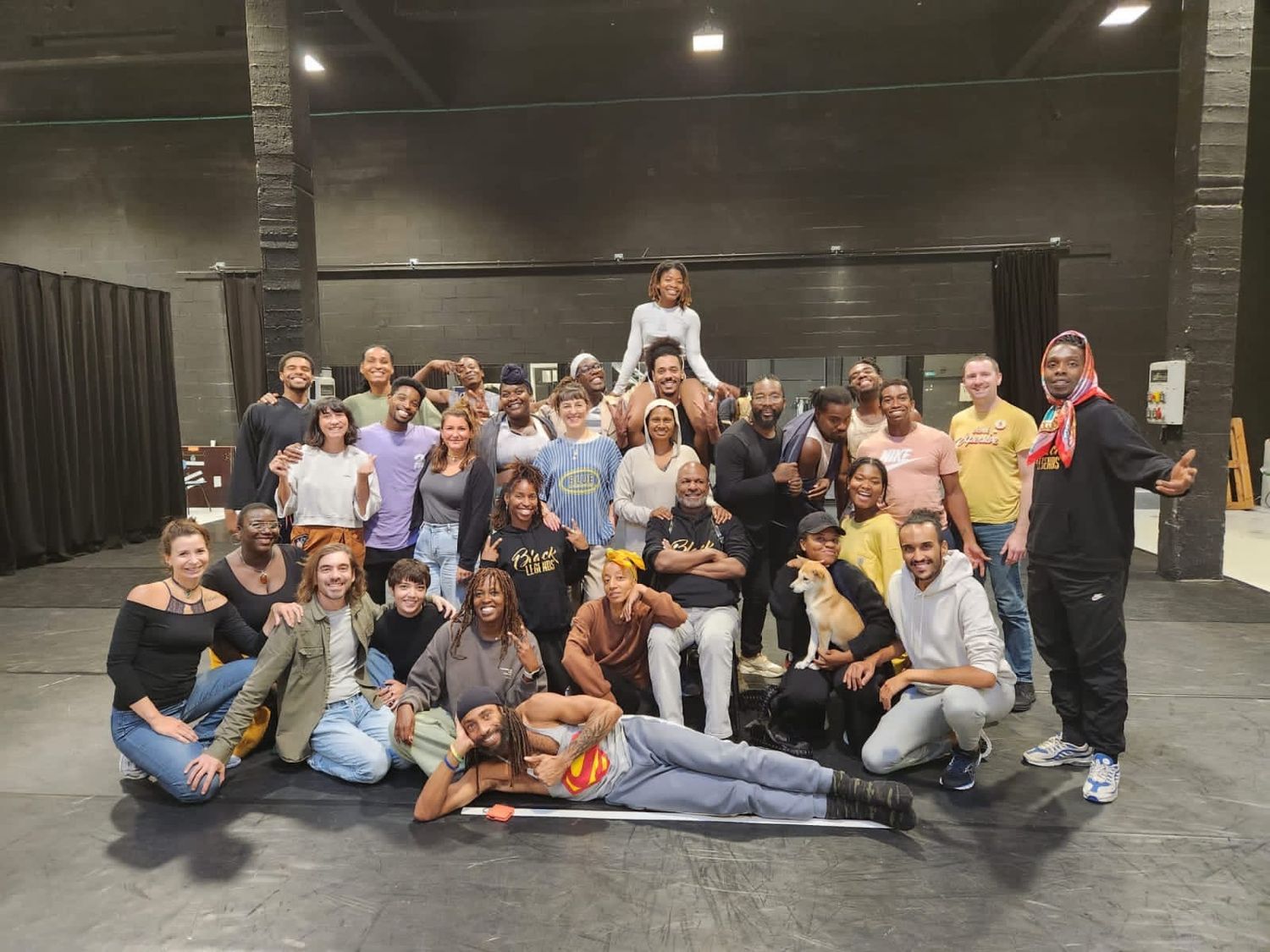
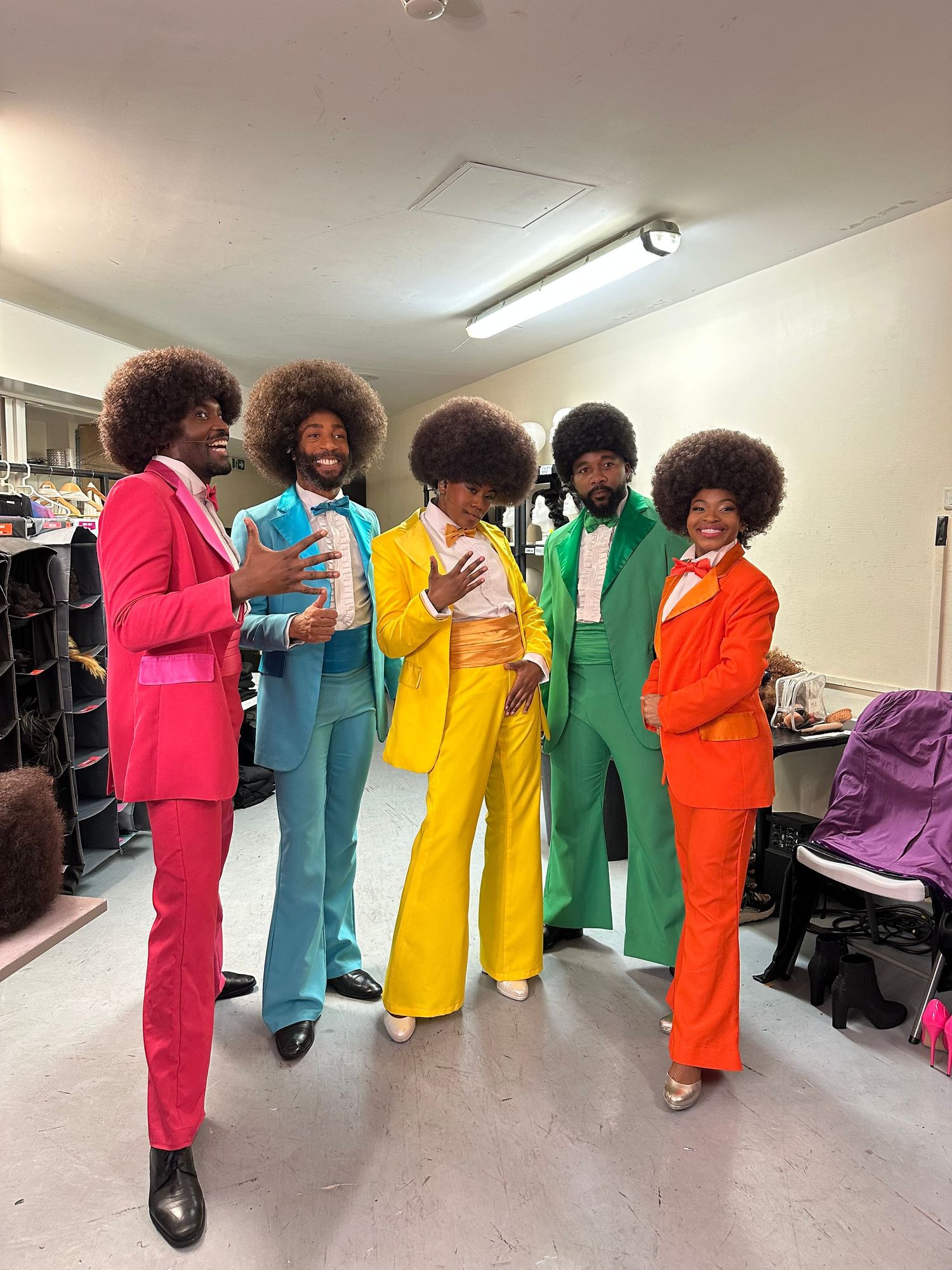
MK: And WE know, of course it's not always the case, there are positives. Like, look at your experience with Black Legends, for example. Like how is it working on a crew, cast that's majority Black? How has that been for you?
It has been amazing. And I was just about to say, working in Black Legends with the team that I am blessed to be a part of has been the biggest hug that the universe could have given me because I never would have imagined I would be working with so many Black people in a country that's predominantly white. It's just, it feels like a family. And I feel like I never have to explain anything about my identity. I never have to explain, you know, why I'm wearing a scarf on my head. Or why I'm walking around with a speaker, you know -because that goes all the way back to when we had boomboxes. So it's been very humbling.
I’m so grateful to Valerie Rodriguez, the director, for even giving me a chance and making me a part of his show because this means a lot to him. And Black Legends is a musical comedy that, you know, pays homage to Black artists in history who have made their mark in the music world. But it not only pays homage to them, but shows the journey of Black American people and in their struggle to be recognized and to be liberated so that they could do whatever that their heart desired without having limitations. I think that speaks to a lot of Black and African cultures as well, looking at colonialism and everything. I feel like everything has a part to play.
So the fact that with this team, I kind of feel like, we all have the same energy, laugh at the same jokes, it's been so much fun. And I mean, the whole team is not completely black, don't get me wrong. We have some white people that work with us too, but like we're all just a family. There is absolutely no racism whatsoever.
It has just been an absolutely amazing adventure. I've gotten to travel with them to the south of France, to a town I've never known, that had the biggest stage I have ever seen. It was a huge amphitheater that could fill 6,000 people and looked like it was just made for opera. It was so huge, it looked like something built in the image of the Greeks. And it was just so humbling to experience that. And when I'm on stage with them, I realized how lucky I am that I persevered and I didn't really give up along the way. I never thought that I would be getting to do what I'm doing right now. And even though in my opinion, I have way, way more to go. The fact that I've even made it this far at this point is just a blessing that I'm so grateful.
It's just been an amazing journey. I've made beautiful friends like people from Spain, from Italy, from Cuba, from Ecuador. I've met people from the UK, you know, that I still talk to, and I've met Americans, like Cameroonians, Guadalupeans. It's just a beautiful plate of people that have been put in my path and I've had the pleasure of working with.
MK: I'm so happy for you, honestly. I think it's so beautiful even just to watch from afar, the content of the actual show itself, but like, you know, what the crew is in the back can definitely, can definitely make a difference. So now moving on to kind of like what you're doing personally, like, you know, I've seen that you've been hosting a lot of workshops and things like that. Like, tell us what you're up to. What do you hope to do with that?
The workshops really came as a surprise to me because I have always felt that I'm still in my student era, you know. There's really a lot that I feel like I want to learn that I want to work on for myself. One of my dreams is to bridge the entertainment or dance culture between like Europe and Africa. Hopefully, when I am much wiser and have the experience, you know, I will help to kind of bridge that gap.
I really want to gather as much information as I can. But I'm slowly realizing that I don't have to have everything all figured out. I don't have to be exactly perfect. If there is knowledge that I can share, why not? Because there are some people who respond very well to my teaching techniques and it really makes me feel good and even as a teacher helps me understand what I'm teaching even more in depth.
I've really had a fun time dabbling in with that. I taught a workshop where I was just helping the women explore their sensuality, move their hips a little bit more and that's something that I've just always naturally been doing. But I never actually thought I could teach it and now that I know that I'm very open to helping even more women or men, anybody who wants to just be more in tune with their body and understand how their body moves or explore different ways in which their body is capable of moving. I think it's beautiful for me because I love seeing people progress and I can't wait to do more.
MK: You know you are an amazing teacher. You have an amazing light about you. It's just easy to like you and get along with you. So I'm not surprised to hear that honestly. Actually, now that you've said that, I'll close this off with a project I got to witness you literally doing, taking him from zero. Shout out to Bo.
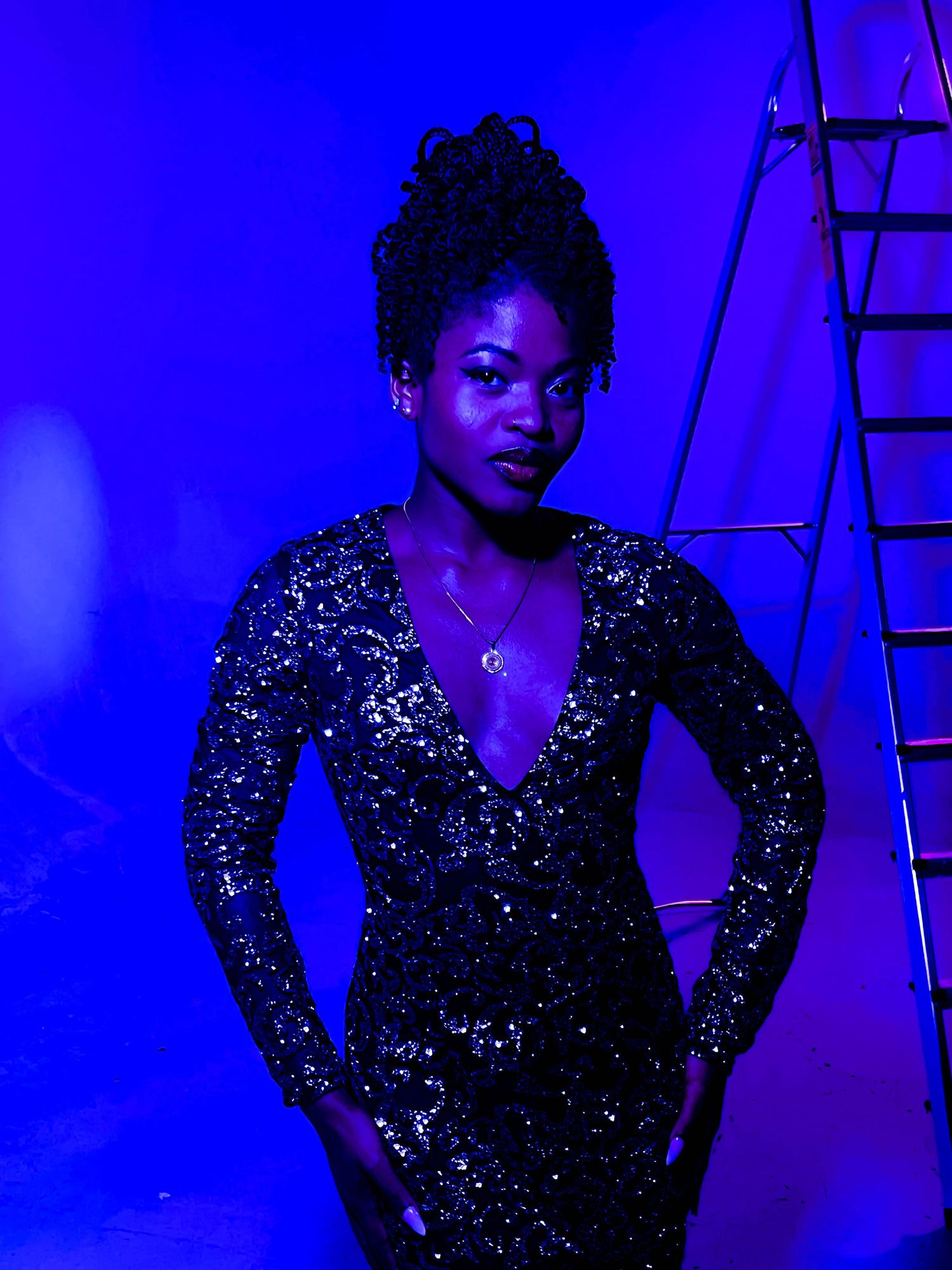
Yes, Cheza Nami with Bolingo. Shout out to the whole team. Shout out to Wolfgang. You know what I'm saying? Like, they really made something out of nothing. Shout out to AlKeys.
MK: It's funny because you're talking about how you used to learn on the concrete, you know, no mirrors, but that's kind of what you came back to. Funny enough, like when you came back to TZ and you had to work with Bo, it's just literally outside like Aly's studio. Cement, no mirrors. And you still managed to do it. So maybe in a weird way. Yeah, maybe in a weird way starting like that helped you get where you are. So now if you have to work in some bum ghetto situation, you're like, don't worry, guys
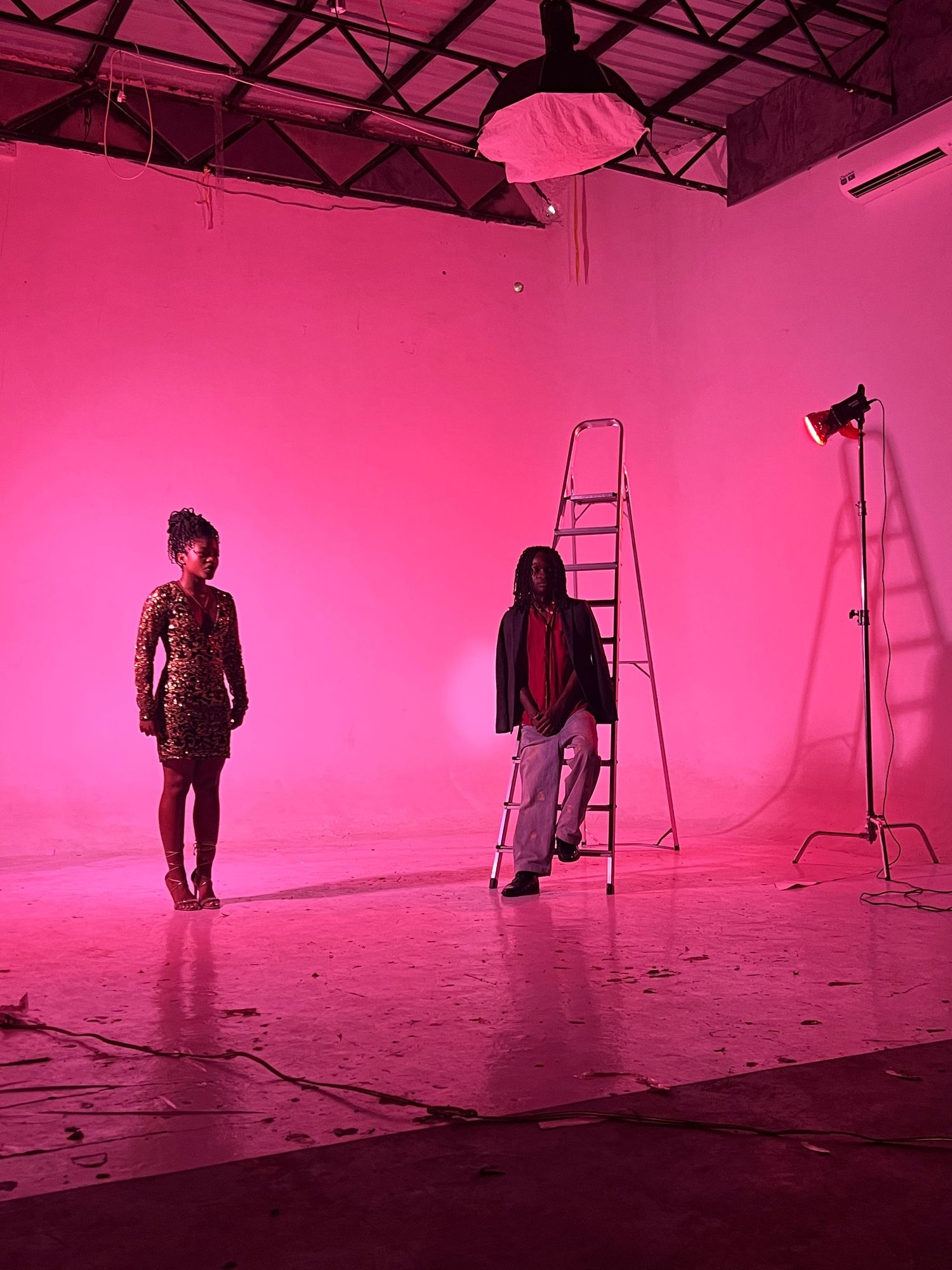
I've been done that. I've only known that, you know, and sometimes I look around me at some of the people that are taking classes with me or that are a part of my formations or even my school. And I'm just like, “What a shame it is that you do not appreciate what you have.”
Like your bare minimum is what I grew up knowing as high standard, you know? Like the bare minimum tools that are just provided to you guys, we were lucky to even, have like, if it wasn't for our year, it would be for the next year. And every time we just be like, whoa, we have all this equipment. Like, this is amazing, you know? Whereas people are here and they have all this equipment and they're just like, I'm bored.
It was so fun working with Bo. Shout out to Bo, Bolingo. If you haven't streamed Cheza Nami go do it now. If you haven't seen the video, go do it now. I am 100 % here for supporting local artists. Support your friends, guys. Support your friends. Support the people back home making music, trying to make it as as an artist in this life, it really is not easy and we're only as good as the village that breeds us, you know? So that really is the reality. That really is the reality.
I had a lot of fun and Bollingo really actually inspired me to get into teaching
MK: Really?
I think I realized that I have quite a way with people when it comes to dance that I am. I can break it down enough that they feel comfortable and they can get it and they can follow. And it's also not in a manner that's annoying for me or annoying for them where I'm having to make them do it again and again, or using a military style type of teaching.
Like it's not gonna work if you're screaming at the girl to get her back not to arch, like come on now, not everyone's a ballerina, you know what saying? So, with him and just seeing his progress from when he was so shy and then seeing him get like the little that we did together, like right and continue to practice that and really flourish on set, I was super, super proud of him.
And the fact that he said, working with me made him want to dance again. Well, working with him made me think about teaching actually, getting out of my comfort zone because I'm realizing that you can do multiple things at once if they're serving each other, you know, not if they're exhausting you.
Thank you for that. And I obviously had a great time with you and my brother. Like I honestly couldn't have done anything without you guys, like even helping me with the choreography because we didn't have any mirrors again, you know, we didn't have any mirrors.
As much as we were creating, we couldn't really see what we were doing. So it's also nice to have someone in your camp that you work with, that you trust that has an artistic eye, you know, and can just tell stories from seeing what's happening.
Like “It would be nice to add this.” or “What if you try coming in this way?” Because everything needs to connect and like I said, it takes a village. It really does take a village. So, I really appreciated having you on set with me that day because I also felt safe, comfortable working with people I didn't know for the first time. No offense to the team, but, I ain't going to walk in a room full of men unarmed.
MK: That's exactly why I wanted to be there. Honestly, for me, it also kind of reminded me how much fun a music video set is. It's nice meeting other people artistically and creatively and in TZ, if I could manifest one thing, and maybe it's something that happens, but I'm not part of it - but I feel like more people need to just, and we're talking about this with Keys, just collaborate for the sake of collaborating. We don't have that huge culture.
Exactly, collaborate for the sake of collaborating. It doesn't have to be a big budget all the time. It doesn't have to be money all the time because honestly, what is that saying? When you're still a rookie getting into the industry and trying to get into the big circles with the sharks that have everything and all the connections and blah blah blah like that's not really the trick. The trick is to build with your friends and build with people who are just as talented as you who have the same drive.
I really wish for more collaborations because it's not about getting to the circle with the big charts and trying to get in. It's about building with the tadpoles around you. Like, y'all all do the same thing. We're the ones who are gonna shape this next generation so we better get to work. We really do.
And I'm so happy to see my people from TZ really making a big shout out to Eric Tango, because he does the SFX effects with Keys. Yeah, Sautii Media, one to watch. Shout out Chacha as well. My God, our little curator. He has a podcast now too. He was on the radio. I'm here for it. I'm really here for it.
Hopefully we can get more of our diaspora out there representing the TZ. It's funny how I'm not even from TZ but I rep TZ so hard. Rep TZ so hard. my God, I got my Tanzanian bracelet on right now. Right now. But yeah, very humbling.
MK: You are one of us, my sis. You are one of us.